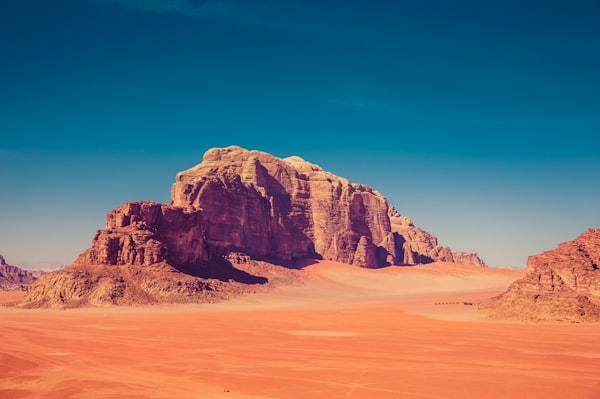
Amman, built across seven hills (with the modern city now sprawling across considerably more), holds a well-preserved Roman theatre and citadel right in its downtown core, physical evidence of the city's long history as a stop on ancient trade routes, and today's essential gateway for most visitors heading onward to Petra, Wadi Rum, and the Dead Sea.
Roman Amman
The Roman Theatre, built into the hillside in the 2nd century AD and still hosting occasional performances today, sits remarkably intact in the middle of downtown Amman, seating up to 6,000 people in its day, the adjacent Odeon, a smaller theatre, adds further context to the site's scale.
The Citadel, atop Jebel al-Qal'a, one of Amman's seven original hills, holds ruins spanning Roman, Byzantine, and Umayyad periods, including the Temple of Hercules and a small but excellent archaeological museum, the hilltop also offers the best panoramic view over the entire city.
Gateway to Jordan
Most visitors use Amman as a base or transit point for Petra (roughly three hours south) and Wadi Rum, but downtown Amman's Rainbow Street and the Souk Jara Friday market are worth a day of their own, with a strong cafe culture and views across the older, denser hillside neighbourhoods.
The Dead Sea, under an hour from Amman, allows for a genuine float in the famously buoyant, super-saline water, along with mineral-rich mud treatments available at several resorts along its shore.
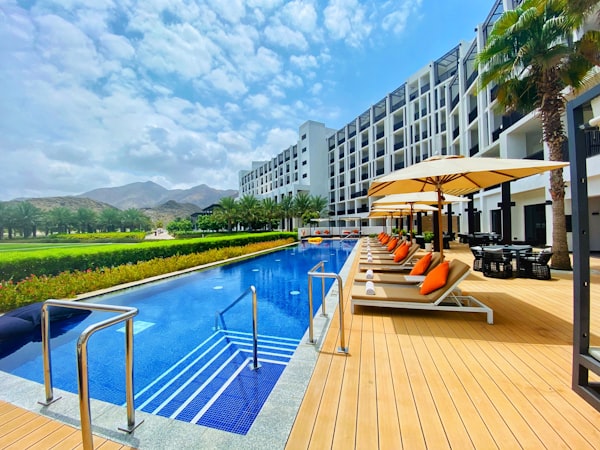
Recommended Stay · Amman · Fifth Circle
Four Seasons Hotel Amman
A centrally located hotel in Amman's upscale Fifth Circle district, with city views and easy access to both downtown's Roman ruins and the modern business district.