Havana's decades of economic isolation had the unintended effect of preserving both its classic American cars and its colonial-era architecture almost in amber, a city that feels genuinely unlike anywhere else, for reasons both charming and, given the hardship behind them, complicated.
Habana Vieja
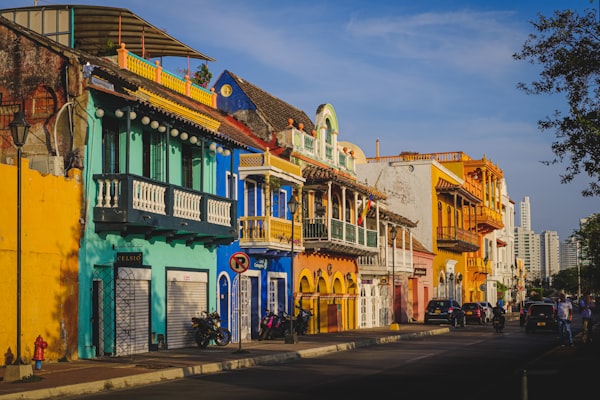
Old Havana's restored core (Plaza Vieja, Plaza de la Catedral) showcases beautifully maintained colonial buildings, though venture a few streets further and the more genuine, crumbling version of the same architecture (still lived in) becomes visible.
A ride in one of the city's classic 1950s convertibles, now serving as taxis, along the Malecón seafront promenade is touristy but a genuine rite of passage, negotiate the price before getting in.
Music and Food
Live music is nearly constant in Havana, son, salsa, and rumba spilling from bars and street corners, most authentically at smaller neighbourhood venues rather than the tourist-oriented shows near the main squares.
Cuba's economic situation has meant food options can be limited compared to other Caribbean destinations, paladares (private, family-run restaurants) generally offer better food and value than state-run establishments.

Recommended Stay · Havana · Vedado
Hotel Nacional de Cuba
A 1930s landmark overlooking the Malecón and the sea, with a history of hosting everyone from Winston Churchill to Frank Sinatra, gardens and cannons from a former military post still on the grounds.