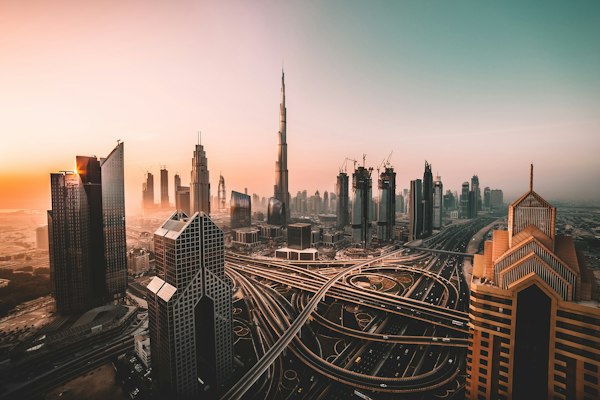
Muscat has deliberately avoided the skyscraper race of its Gulf neighbours, building height restrictions keep the city low and whitewashed, framed by rugged Hajar mountains, and Oman's broader reputation for genuine hospitality and stunning, less-visited natural landscapes starts right here.
Old Muscat and the Souk
Old Muscat, framed by twin Portuguese-built forts (Al Jalali and Al Mirani, not open to the public but striking from outside), holds the Sultan's Palace with its distinctive gold-and-blue columned facade.
Mutrah Souk, one of the oldest marketplaces in the Arab world, sells frankincense (Oman's most famous export), silver, and textiles in a labyrinth of covered alleys, go in the evening when the corniche outside fills with families strolling after the day's heat breaks.
Wadis and Desert
Oman's wadis (seasonal riverbeds that fill with clear, cool water) offer swimming and hiking a few hours from Muscat, with Wadi Shab (requiring a short boat crossing and a swim to reach a hidden cave) among the most spectacular.
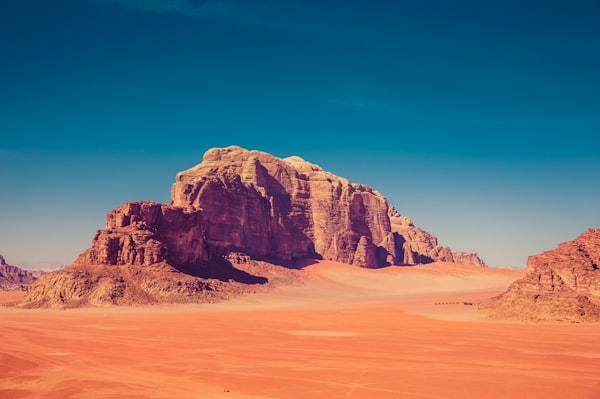
The Sharqiya Sands, a desert of towering dunes several hours southeast, offers overnight desert camps considerably less commercialized than similar experiences in Dubai, with genuinely dark skies for stargazing.
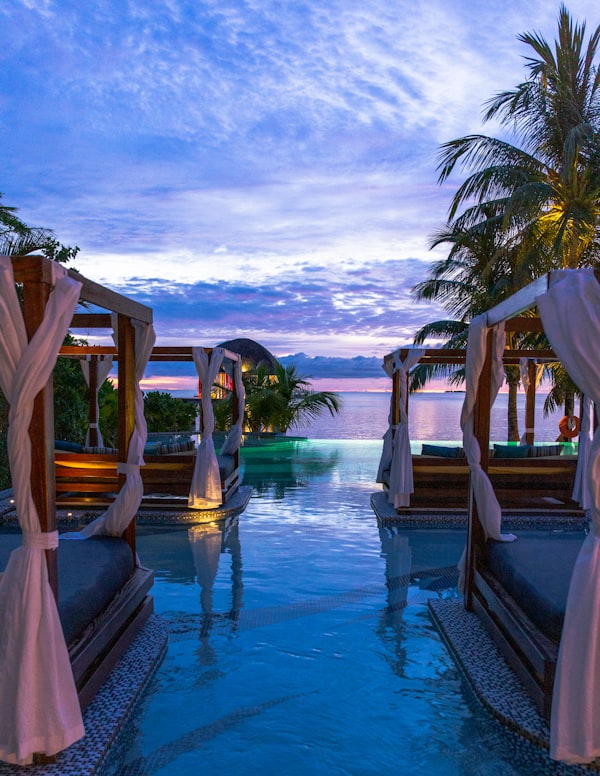
Recommended Stay · Muscat · Al Bustan
Al Bustan Palace, Ritz-Carlton
A palatial resort set between the Hajar Mountains and the Gulf of Oman, with a soaring domed lobby and private beach, a short drive from Old Muscat's forts and souk.