Not all ryokans are created equal. What to look for, what to expect on arrival, and the booking mistakes that are easy to avoid for first-time guests.
A ryokan is a traditional Japanese inn, but that description covers everything from a family-run four-room guesthouse in a hot spring village to a lavish multi-course kaiseki experience with a private open-air bath attached to every suite. Knowing which kind you're booking (and what's actually included) makes the difference between a highlight of the trip and an expensive misunderstanding.
What a Ryokan Actually Is
Expect tatami-mat rooms, futon bedding laid out by staff each evening, yukata robes provided for wear around the property, and (in almost all cases) a set dinner and breakfast included in the rate rather than optional. This last point catches first-time guests off guard: ryokan pricing is typically per person, including two meals, not per room the way a hotel is priced.
Choosing Between Types
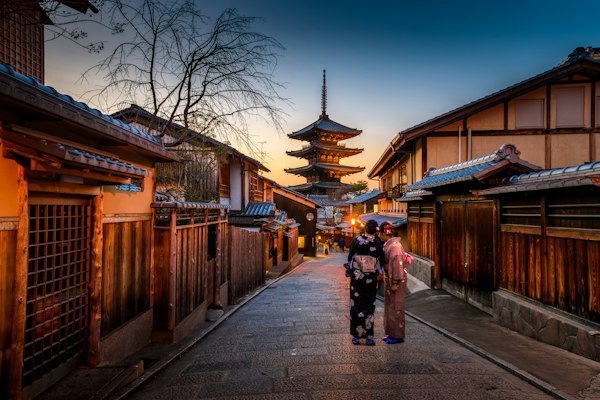
Onsen ryokans, built around a natural hot spring, are the classic choice, found in destinations like Hakone, Kinosaki, and the Kusatsu region, usually outside the major cities. City ryokans, found within Kyoto or Tokyo, trade the hot spring for convenience and often a more contemporary interpretation of the format. For a first visit, an onsen ryokan in a hot spring town delivers the fuller experience; a city ryokan works well as a one- or two-night addition to a Kyoto itinerary.
What to Expect on Arrival
Check-in is earlier than a typical hotel, often from 3pm, and the evening unfolds on a set rhythm: arrival tea, a soak in the onsen before dinner, a multi-course kaiseki meal served in-room or in a dining hall, and futons laid out while you're at dinner. Punctuality matters more than at a Western hotel, dinner times are usually fixed, not flexible, and arriving late can mean missing courses.
Booking Mistakes to Avoid
The most common error is booking room-only rates through general hotel sites, which strips out the meals that are the actual point of a ryokan stay, book directly through the property or a ryokan-specialist site to get the full dinner-and-breakfast experience. The second is under-booking nights: one night at a ryokan feels rushed, since a large part of the appeal is the unhurried pace of the evening. Two nights, where possible, lets the pace do its job.
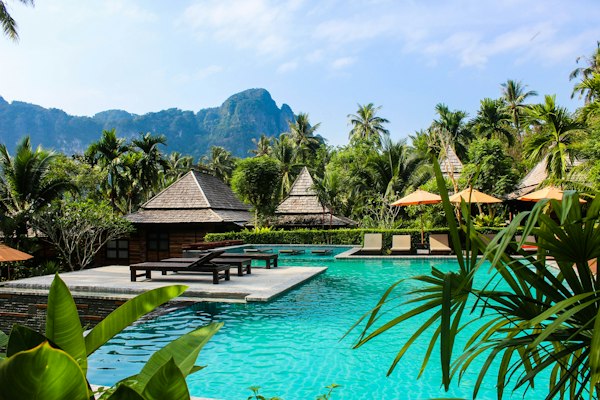
Recommended Stay · Kyoto · Japan
Hoshinoya Kyoto
Only accessible by boat up the Oi River. Traditional tatami rooms meet contemporary Japanese design in a setting that feels entirely removed from the city below.
Affiliate link, I earn a small commission if you book, at no cost to you.