The Salar de Uyuni, at over 10,000 square kilometres, is the largest salt flat on earth, a blindingly white expanse formed from the remnants of a prehistoric lake, during the rainy season, a thin layer of water transforms the surface into a near-perfect mirror reflecting the sky, creating one of the most surreal landscapes achievable on a standard camera without any special effects.
The Salt Flat
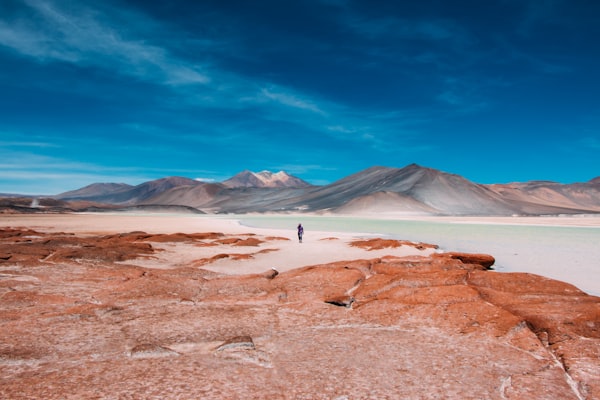
During the dry season (roughly May to November), the salt flat forms distinctive hexagonal crust patterns that stretch to the horizon in every direction, a stark, otherworldly landscape well suited to the famous forced-perspective photographs the Salar has become known for online.
During the wet season (December to April), a thin layer of water covers parts of the flat, creating the mirror effect that has made Uyuni internationally famous, but access to the wettest, most reflective areas can be limited depending on rainfall levels in any given year.
Coloured Lagoons and Geysers
Multi-day tours from Uyuni typically continue south to Laguna Colorada, a red-hued lagoon coloured by algae and mineral sediment and home to large flocks of flamingos, and Laguna Verde, whose green colour comes from arsenic and other mineral deposits.
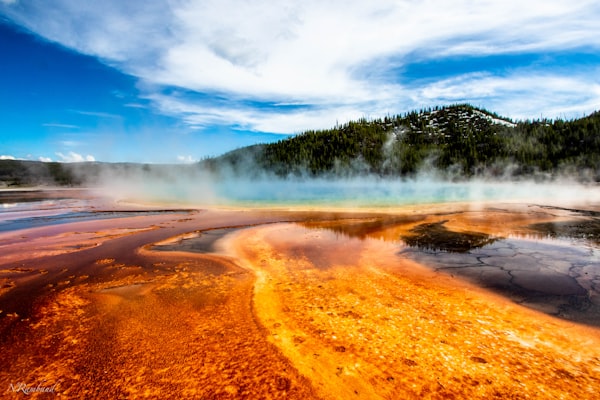
Sol de Mañana, a geothermal field of bubbling mud pools and steam vents at over 4,800 metres, is typically visited at dawn as part of the standard multi-day tour circuit before continuing toward the Chilean border near San Pedro de Atacama.
Recommended Stay · Salar de Uyuni · Salt Flat Edge
Palacio de Sal
A hotel built almost entirely from salt blocks, including furniture, on the edge of the Salar, offering direct access for sunrise and sunset visits to the flat.