Strasbourg has changed hands between France and Germany four times since 1871, and the city's identity (half-timbered Alsatian houses, a Gothic cathedral, and street signs in both French and German) reflects that dual heritage rather than resolving it. As one of the official seats of the European Parliament, it also functions as a genuinely international city despite its modest size.
La Petite France
La Petite France, the city's most photogenic quarter, is a former tanners' district of half-timbered houses along canals, with covered bridges and watchtowers remaining from the medieval fortifications. Visit in the early morning or evening when the canal reflections are at their calmest and the crowds thinnest.
Strasbourg Cathedral, with a single spire (the second was never completed) that made it the world's tallest building for over two centuries, holds an astronomical clock that performs a mechanical show daily at 12:30pm, arrive by noon to get a decent view of the small crowd that gathers.
German Heritage and Christmas Markets
The Neustadt district, built during the German imperial period (1871-1918), has wide boulevards and grand Wilhelmine architecture that contrasts sharply with the medieval old town, a less-visited but architecturally significant part of the city, now itself UNESCO-listed alongside the old town.
Strasbourg's Christmas market, running since 1570, claims to be the oldest in France and one of the oldest in Europe, dozens of wooden chalets fill the squares from late November through December, selling mulled wine and Alsatian crafts under decorations that blanket the entire old town.
Recommended Stay · Strasbourg · La Petite France
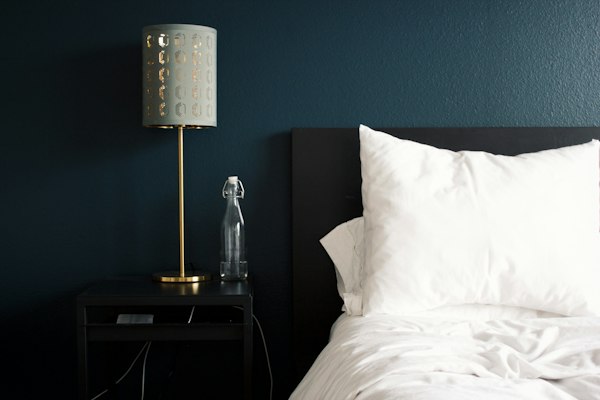
Regent Petite France
A converted 19th-century ice factory directly on the canal in La Petite France, with rooms overlooking the water and the district's iconic half-timbered houses.