Tasmania, separated from mainland Australia by the Bass Strait, holds nearly a fifth of its land as protected wilderness, including air quality monitoring stations that have recorded some of the cleanest air on the planet, a reflection of its distance from major pollution sources, alongside Hobart's MONA, a museum of old and new art that has single-handedly reshaped the island's cultural reputation since opening in 2011.
MONA and Hobart
MONA (Museum of Old and New Art), built into a sandstone cliff and reached by ferry from Hobart's waterfront, deliberately provokes and unsettles with its collection spanning ancient Egyptian artefacts to confrontational contemporary installations, visitors receive an audio guide called 'The O' offering irreverent, personal commentary rather than standard museum text.
Hobart's waterfront, particularly Salamanca Market on Saturdays, gives a strong sense of the city's convict-era Georgian architecture alongside a genuinely excellent local food and craft scene.
Wilderness
Cradle Mountain-Lake St Clair National Park, part of the Tasmanian Wilderness World Heritage Area, offers some of Australia's best alpine hiking, including the multi-day Overland Track connecting the two namesake landmarks through button grass plains and ancient forest.
The Tasman Peninsula's dramatic sea cliffs, some among the tallest in the Southern Hemisphere, are best seen by boat cruise out of Port Arthur, a former convict settlement itself worth a half-day visit for its confronting but important colonial history.
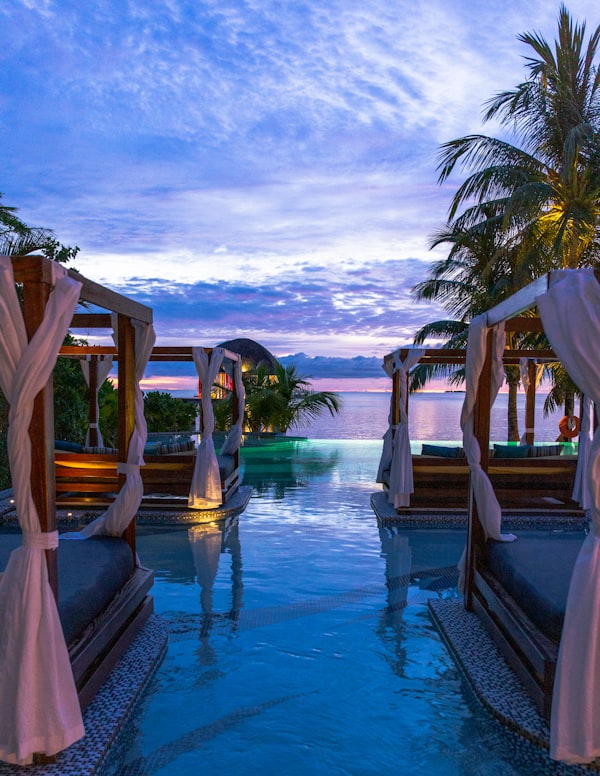
Recommended Stay · Tasmania · Hobart
The Henry Jones Art Hotel
A hotel built into a former jam factory on Hobart's waterfront, filled with contemporary Tasmanian art and a short walk from Salamanca Market.