Tulum's Mayan ruins are the only major Maya archaeological site built directly on the coast, perched on cliffs above turquoise Caribbean water, a striking setting, and one of many reasons the town has become one of Mexico's most in-demand destinations over the past decade.
The Ruins and Cenotes
Visit the Tulum ruins at opening time, both to avoid the crowds and the heat, the site is small enough to see in an hour, but the view from El Castillo over the cliffs to the beach below is worth the early start.
The Yucatán Peninsula sits atop a vast network of cenotes (sinkholes revealing crystal-clear freshwater, some open to the sky, others in cave systems) Gran Cenote and Dos Ojos are among the most accessible and photogenic near Tulum.
Beach Zone vs. Town
Tulum's beach zone (a strip of boutique hotels along the coast road) has the Instagram-famous jungle-chic aesthetic but comes at a significant price premium and increasing traffic congestion along its single access road.
Tulum town, a few kilometres inland, is considerably cheaper and gives easier access to the ruins and cenotes, with a short bike or taxi ride to the beach when you want it.
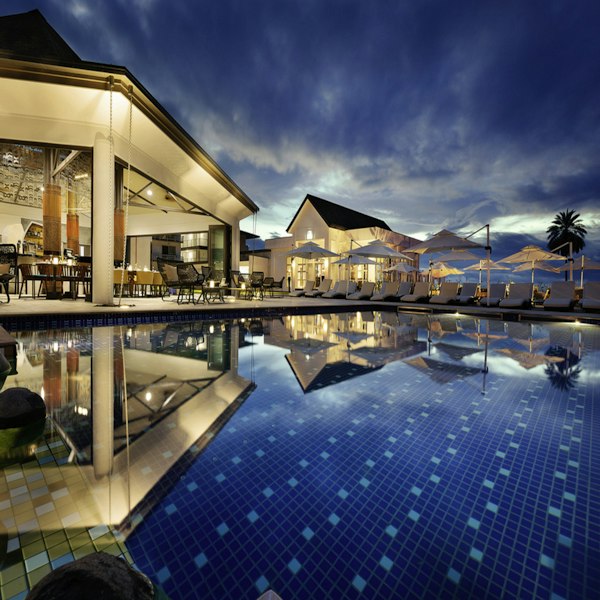
Recommended Stay · Tulum · Beach Zone
Azulik
Organic, treehouse-like villas built from clay and wood without right angles, connected by elevated wooden walkways through the jungle canopy to a clifftop over the Caribbean.