Vienna was the capital of an empire that no longer exists, and the city still carries itself that way, wide boulevards, opera houses, palaces that were merely the Habsburgs' summer homes. It's also, unexpectedly, one of Europe's most liveable cities, with a coffee house culture built for lingering rather than rushing.
The Ringstrasse and Its Palaces
The Ringstrasse, the boulevard that replaced the old city walls, is lined with the 19th century's greatest hits, the State Opera, the Parliament, the Rathaus, the Kunsthistorisches Museum. Walking or cycling the full loop takes about two hours and functions as an architectural survey of the whole empire's ambitions.
Schönbrunn Palace, the Habsburgs' summer residence, is a short tram ride from the centre and worth the full ticket including the gardens and the Gloriette, climb to the Gloriette terrace for the best view back over the palace and its formal parterres.
Coffee Houses and Music
A Viennese coffee house (Café Central, Café Sperl, Demel) is not a place you order and leave. Order a Melange, request a newspaper, and stay for an hour; that's the actual etiquette. It's how Freud, Trotsky, and half of Vienna's intellectual history got their thinking done.
Standing-room tickets for the State Opera go on sale ninety minutes before curtain and cost a few euros, one of the best-value cultural experiences anywhere, if you're willing to stand for three hours of world-class opera.
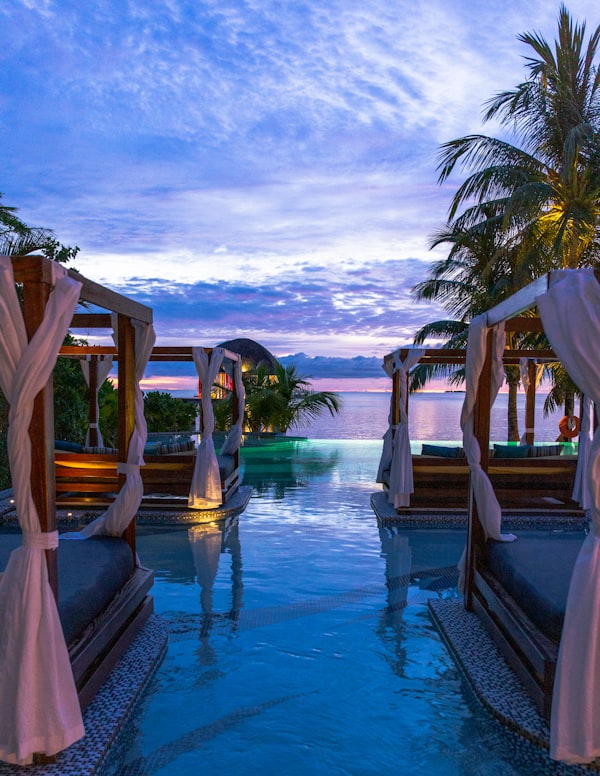
Recommended Stay · Vienna · Innere Stadt
Hotel Sacher Wien
The grande dame behind the Sachertorte, directly opposite the State Opera, red velvet, oil paintings, and a level of old-world formality that suits Vienna better than any modern alternative.