Addis Ababa serves as headquarters for the African Union, giving Ethiopia's capital an outsized diplomatic role relative to its size, while the country's status as the likely birthplace of coffee (and the elaborate ceremony still performed daily in homes across the city) gives it an equally significant claim on global culture.
Coffee Culture and Markets
The Ethiopian coffee ceremony, performed with green beans roasted, ground, and brewed fresh in front of guests over the course of an hour or more, is a genuine social ritual rather than a tourist performance, accepting an invitation to one, whether in a home or a traditional cafe, is one of the best ways to experience Addis Ababa's daily rhythms.
Merkato, reputed to be the largest open-air market in Africa, sells everything from spices to electronics across a sprawling, somewhat overwhelming maze of stalls, go with a guide and keep valuables secure, as the market's size and crowds can be disorienting for first-time visitors.
Lucy and National Museums
The National Museum of Ethiopia houses the fossilised remains of 'Lucy,' a 3.2-million-year-old Australopithecus afarensis whose discovery in 1974 reshaped understanding of human evolutionary origins, a replica is displayed for viewing, with the actual fossil kept secure for preservation.
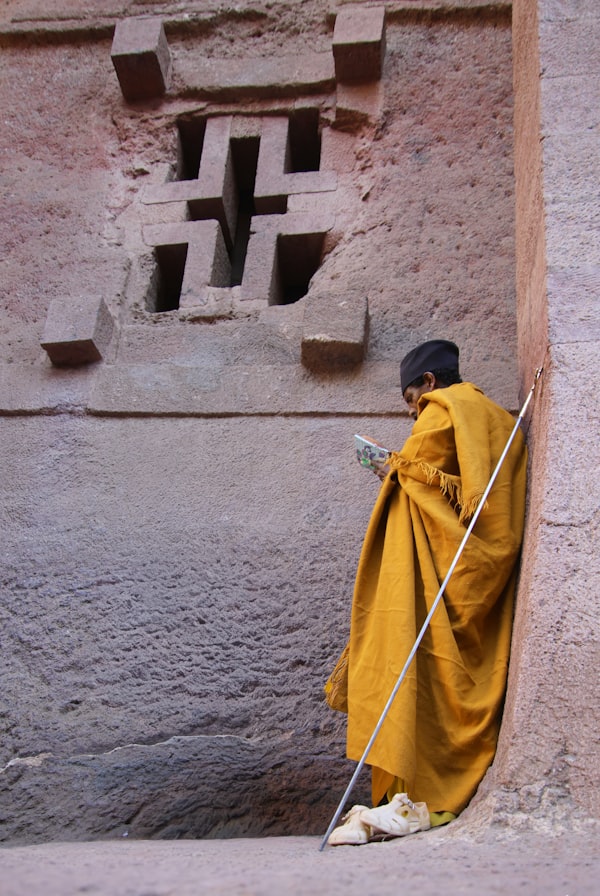
The Holy Trinity Cathedral, burial site of Emperor Haile Selassie and several other historical figures, combines Ethiopian Orthodox tradition with European architectural influence, and its stained glass and stone carvings reward a slow visit.
Recommended Stay · Addis Ababa · City Centre
Sheraton Addis
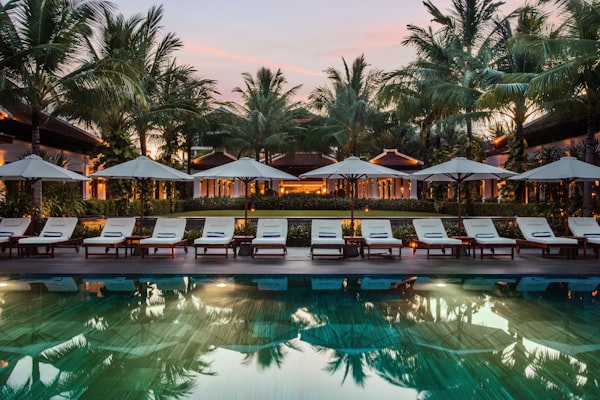
A landmark hotel with extensive gardens in the heart of the city, long favoured by diplomats and African Union delegates for its central location and security.