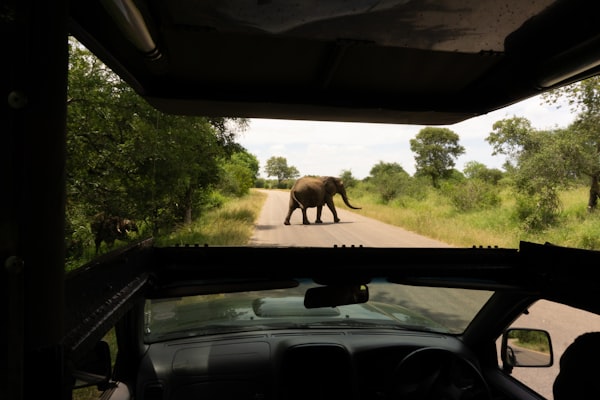
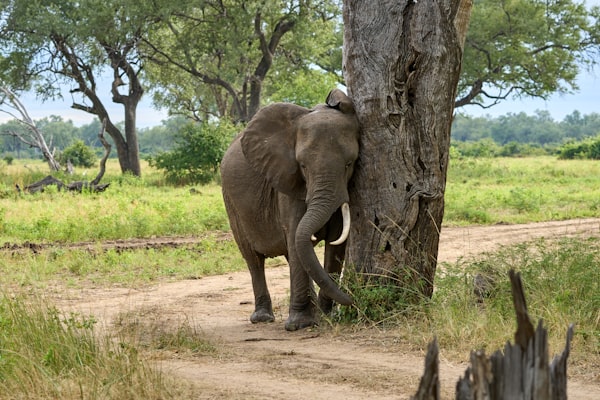
The Okavango Delta is one of the world's few major river systems that never reaches the ocean, instead spilling out across the Kalahari Desert each year in a seasonal flood that transforms dry grassland into a lush wetland, a UNESCO World Heritage site and one of Africa's most significant wildlife habitats, best explored by traditional mokoro dugout canoe as much as by vehicle.
The Seasonal Flood
The delta's flood arrives months after rain falls in the Angolan highlands far to the north, peaking in Botswana's dry season between June and August, a counterintuitive natural cycle that means the delta is at its most water-rich precisely when the surrounding region is driest, concentrating wildlife around its waterways.
Flying into camps by small bush plane gives the best overview of the delta's intricate channels, lagoons, and islands from above, a genuinely spectacular introduction before descending to ground level for the actual safari activities.
Mokoro Safaris
The mokoro, a traditional dugout canoe poled silently through shallow channels by a local guide, offers a completely different safari experience from vehicle-based game drives, gliding past grazing elephants, hippos, and a spectacular range of birdlife at water level, close enough to hear rather than just see.
Because the delta's channels are too shallow and reed-choked for engine boats in many areas, mokoro trips reach parts of the ecosystem inaccessible any other way, including walking safaris on delta islands only reachable by water.
Recommended Stay · Okavango Delta · Botswana
Sandibe Okavango Safari Lodge
An organically designed lodge resembling a pangolin's form set among riverine forest, with elevated suites overlooking the delta's channels and resident wildlife.