AlUla, closed to most international visitors for decades, has emerged as one of Saudi Arabia's flagship tourism developments, home to Hegra, the Nabataean civilisation's southern capital and Saudi Arabia's first UNESCO World Heritage Site, alongside a landscape of wind-carved sandstone formations that rivals Jordan's Petra in scale and significance, without anything like the crowds.
Hegra and Nabataean Tombs
Hegra holds over 100 monumental tombs carved directly into sandstone outcrops by the same Nabataean civilisation responsible for Petra, with facades ranging from simple openings to elaborately decorated multi-storey designs, remarkably, the site receives only a fraction of Petra's visitor numbers despite comparable historical significance.
Jabal Ikmah, sometimes called an 'open-air library,' holds thousands of inscriptions in multiple ancient languages carved into rock faces over centuries, offering a rare direct record of the trade routes and cultures that passed through this region.
Desert Landscapes
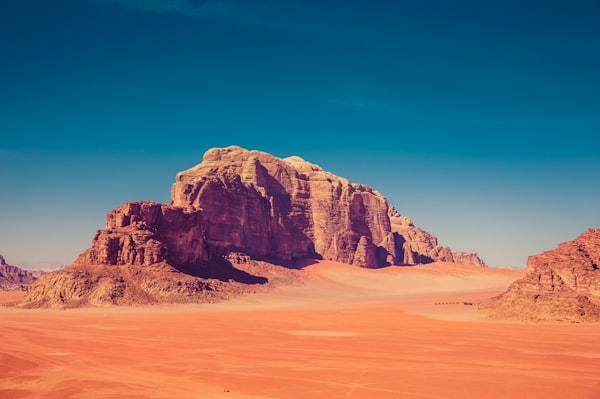
Elephant Rock (Jabal AlFil), a massive sandstone formation naturally eroded into the shape of an elephant with its trunk touching the ground, is one of AlUla's most photographed natural features, particularly striking at sunset when the surrounding desert glows orange.
AlUla Old Town, a mudbrick settlement inhabited until the 1980s, offers a glimpse into more recent Arabian desert life, its narrow lanes and abandoned houses now being carefully restored as part of the region's broader heritage tourism development.
Recommended Stay · AlUla · Ashar Valley
Habitas AlUla
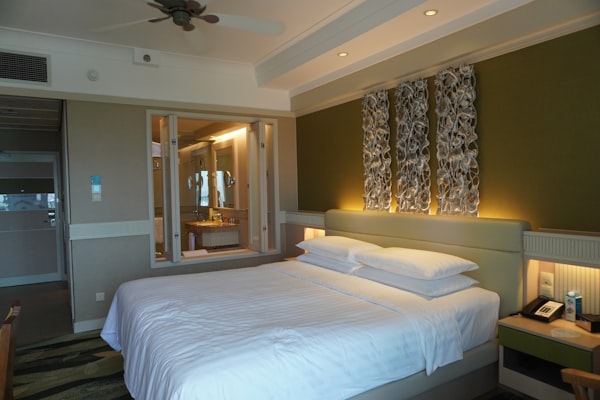
A boutique eco-resort of tented suites set among AlUla's sandstone canyons, designed to minimise its footprint on the surrounding desert landscape.