Bordeaux's 18th-century old town, a near-continuous run of honey-coloured limestone facades along the Garonne river, earned UNESCO status for being the largest urban ensemble of its kind in the world. It's also, unavoidably, a wine capital, the surrounding appellations of Médoc, Saint-Émilion, and Sauternes are among the most famous winemaking regions on earth.
The Riverfront City
Place de la Bourse, mirrored in the Miroir d'Eau's thin sheet of water directly opposite, is Bordeaux's most photographed spot, arrive at dusk when the reflecting pool turns the 18th-century facade into a perfect double image, and children play in the shallow water as it drains and refills on a timer.
La Cité du Vin, a striking modern building shaped like a swirl of wine in a glass, covers the history and culture of wine globally, not just Bordeaux's, the panoramic tasting room at the top, included with admission, gives a view over the river with a glass of something good.
The Vineyards
Saint-Émilion, forty minutes east, is a UNESCO-listed medieval village built into limestone cliffs, its streets lined with wine shops and its underground monolithic church carved directly into the rock. Book a cellar tour and tasting in advance, many of the smaller châteaux only accept visitors by appointment.
The Médoc, north of the city along the estuary, holds the most famous names in Bordeaux wine (Margaux, Pauillac, Saint-Julien) accessible on a day trip by car or organised tour, though the grandest châteaux require reservations made months ahead for a tasting.
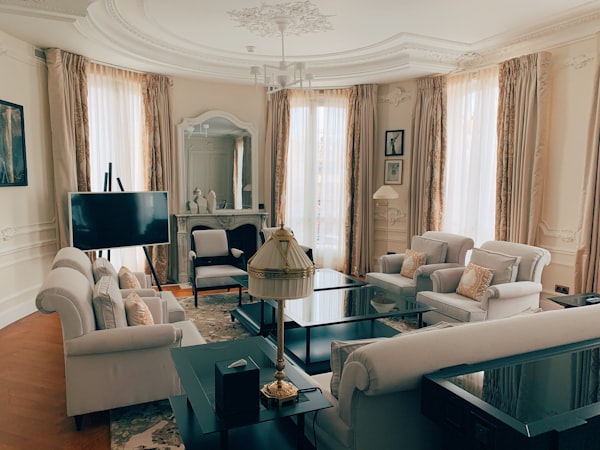
Recommended Stay · Bordeaux · City Centre
La Grande Maison de Bernard Magrez
An 18th-century mansion owned by a leading Bordeaux wine estate, with a two-Michelin-star restaurant and a private cellar drawn from the owner's own vineyards.