Lyon quietly outranks Paris in the opinion of most serious French food writers, the birthplace of Paul Bocuse and a city whose bouchon restaurants, serving hearty Lyonnaise classics, represent a style of French cooking that predates and, in many ways, out-argues the capital's more fashionable food scene.
Traboules and Old Lyon
The traboules (hidden passageways connecting streets through the interior courtyards of Renaissance buildings) were built originally to let silk workers move goods out of the rain and later served as escape routes for the French Resistance. Many remain open to the public in Vieux Lyon and the Croix-Rousse district; look for small plaques marking the entrances.
Fourvière Hill, above the old town, holds a Roman amphitheatre still used for summer concerts and a 19th-century basilica visible from most of the city, the funicular up is faster than the climb, and the view from the top takes in both rivers and the full sweep of the city below.
Bouchons and Les Halles
A proper Lyonnaise bouchon serves quenelles, andouillette, and salade lyonnaise in unpretentious dining rooms that haven't changed much in decades, look for the official 'Bouchon Lyonnais' certification to avoid the tourist-oriented imitations that have proliferated near the main squares.
Les Halles de Lyon Paul Bocuse, the covered food market named for the city's most famous chef, is worth a morning even if you're not cooking, cheese, charcuterie, and seafood stalls that represent the raw materials behind Lyon's food reputation, several with counter seating for an on-the-spot lunch.
Recommended Stay · Lyon · Fourvière
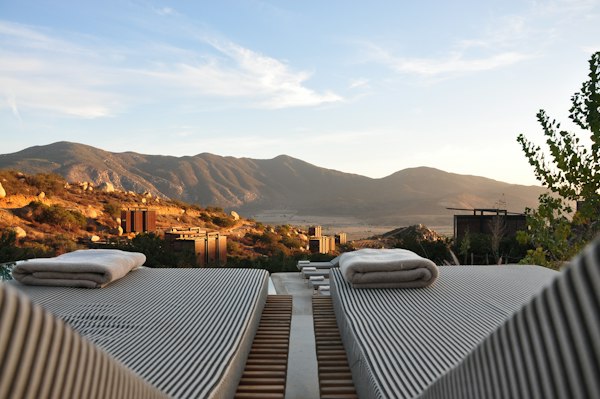
Villa Florentine
A former 17th-century convent on Fourvière Hill, with terraced gardens overlooking both rivers and the full spread of Lyon's old town below.