Bucharest earned the nickname 'Little Paris' for its early-20th-century boulevards and Beaux-Arts architecture, much of which survived both wartime bombing and Ceaușescu's brutal urban demolitions of the 1980s. What resulted is a city of striking contrasts, grand prewar facades a few blocks from the colossal Palace of the Parliament, and a nightlife and food scene that has quietly become one of the region's most interesting.
Belle Époque and Communist Bucharest
Calea Victoriei, the city's grand prewar avenue, runs past the Romanian Athenaeum concert hall and a string of Belle Époque buildings that justify the 'Little Paris' comparison, particularly around Revolution Square where the 1989 uprising against Ceaușescu began.
The Palace of the Parliament, the second-largest administrative building in the world after the Pentagon, was built by demolishing a fifth of the old city centre, a one-hour guided tour through a fraction of its thousand rooms conveys the sheer, unsettling scale of Ceaușescu's ambition.
Old Town Nightlife
Lipscani, the old commercial quarter, has been restored into Bucharest's densest concentration of bars, restaurants, and clubs, narrow cobbled streets that get progressively louder after dark, with a mix of historic buildings and modern nightlife that draws comparisons to Berlin's more affordable early days.
Herăstrău Park, the city's largest green space, offers a quieter counterpoint with a lake, the open-air Village Museum showcasing traditional Romanian architecture, and lakeside restaurants that are popular with locals rather than tourists.
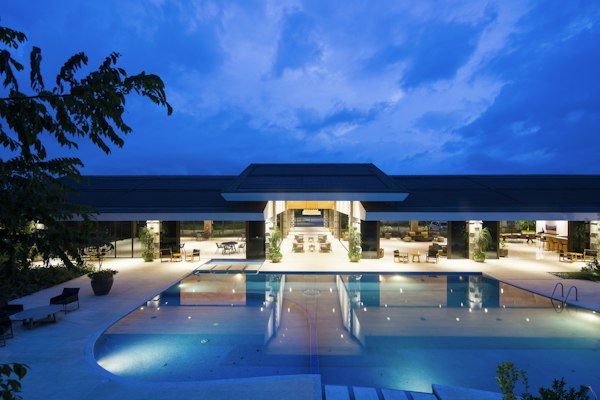
Recommended Stay · Bucharest · Old Town
Grand Hotel Continental
A restored 19th-century grand hotel on Calea Victoriei, blending Belle Époque architecture with modern interiors, steps from Lipscani's nightlife.