Sofia sits at the base of Vitosha Mountain, whose ski slopes and hiking trails are visible from the city centre and reachable by public bus in under an hour. Beneath the streets lie Roman ruins from the city's earlier life as Serdica, uncovered during metro construction and now displayed in situ beneath a glass-covered underpass right in the centre.
Layers of History
The Ancient Serdica Complex, a subterranean walkway of excavated Roman streets and buildings beneath Sofia's main square, is free to visit and gives a striking sense of just how many civilisations have occupied this same ground, Roman, Byzantine, Ottoman, and modern Bulgarian, all stacked within a few metres of soil.
Alexander Nevsky Cathedral, its gold domes visible across much of the city, was built in the early 1900s to commemorate Russian soldiers who died liberating Bulgaria from Ottoman rule, the crypt below houses an excellent collection of Orthodox icons.
Vitosha Mountain
Vitosha's slopes are reachable by public bus from the city centre in under an hour, making Sofia one of the few European capitals where a morning of hiking or skiing and an afternoon of city sightseeing fit comfortably into the same day. The Golden Bridges, a river of massive stone boulders on the mountain's slopes, is a popular and easy hiking destination.
Boyana Church, a small medieval building on the mountain's lower slopes, holds frescoes from 1259 considered among the finest surviving examples of medieval Eastern European art, visits are timed and limited to protect the paintings, so book ahead.
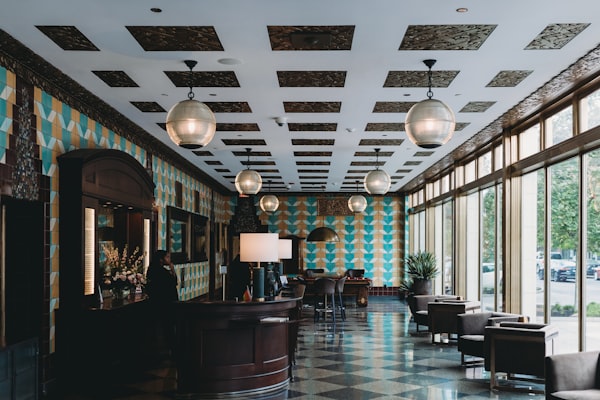
Recommended Stay · Sofia · City Centre
Sense Hotel Sofia
A rooftop-terrace hotel with direct views of Alexander Nevsky Cathedral and Vitosha Mountain, steps from the Serdica ruins.