Copenhagen manages to be both effortlessly stylish and completely unpretentious, a city where the design museums are excellent but the real design culture is visible in every café interior and public bench. It's also, increasingly, one of the world's most important food cities.
Nyhavn and the Harbour
Nyhavn's candy-coloured townhouses along the canal are the most photographed corner of the city, and worth seeing, but go early morning or late evening, by afternoon the waterfront bars are three-deep with tourists. The rest of the harbour, from the Opera House to the new bathing areas at Islands Brygge, is where Copenhagen actually spends its summer.
Cycling is the default way to move through the city, dedicated, wide bike lanes cover almost every street, and renting a bike for the day (many hotels lend them free) is the fastest way to cover the harbour, Christianshavn, and the palace district.
New Nordic Food
Copenhagen essentially invented the New Nordic food movement, and while Noma remains the headline name, the real value is in the smaller places applying the same philosophy (foraged, seasonal, hyper-local) at a fraction of the price. Reffen, a converted shipyard food market, is the best casual introduction.
Torvehallerne, the covered food market near Nørreport station, is where locals actually shop, smørrebrød stalls, a serious cheese counter, and Danish pastries that make the tourist-facing bakeries look apologetic by comparison.
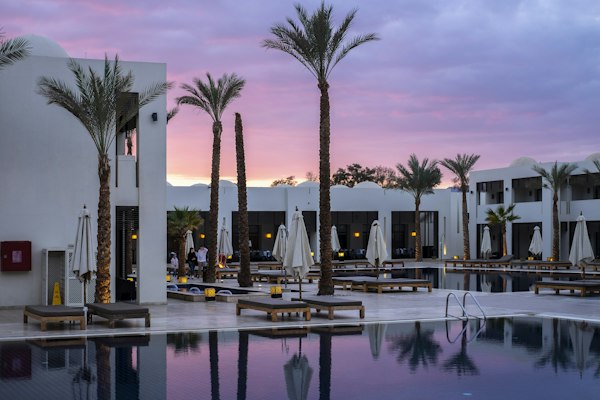
Recommended Stay · Copenhagen · Tivoli
Nimb Hotel
A Moorish-style villa inside the Tivoli Gardens, blending fairground whimsy with genuinely serious Danish design, rooms overlook either the gardens or the city hall square, both a short walk from the harbour.