Crete is Greece's largest island and, in some tellings, the birthplace of European civilisation itself, the Minoan palace at Knossos predates the Greek mainland's classical era by well over a thousand years. The island's size means it rewards slower travel: mountain villages, gorge hikes, and beaches on both the calmer north coast and the wilder south.
Knossos and Minoan Crete
The Palace of Knossos, partially and controversially reconstructed by British archaeologist Arthur Evans in the early 1900s, remains the best introduction to Minoan civilisation despite scholarly debates over the accuracy of the reconstruction, the frescoes and layout give a genuine sense of a sophisticated Bronze Age society that predates classical Greece by a millennium.
The Heraklion Archaeological Museum holds the actual Minoan artefacts, including the famous bull-leaping fresco, and is arguably more essential than Knossos itself for understanding the civilisation, visit both together for the full picture.
Gorges and the South Coast
The Samaria Gorge, at 16 kilometres one of Europe's longest, is a full-day hike through a dramatic limestone canyon ending at the Libyan Sea, start early, as the walk takes five to seven hours and the last ferry back from Agia Roumeli waits for no one.
The south coast, facing Africa rather than the mainland, has a wilder, less-developed feel than the busier north, Preveli Beach, reached by boat or a steep path down through a palm forest, is one of the island's most memorable and least crowded stretches of sand.
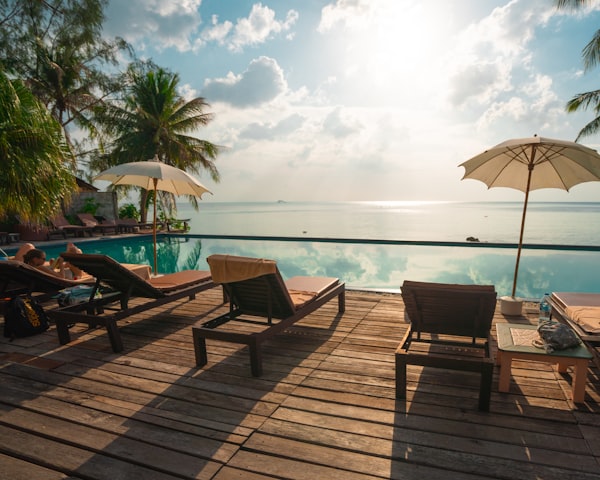
Recommended Stay · Crete · Elounda
Blue Palace, a Luxury Collection Resort
A clifftop resort on Crete's northeast coast with private villas, several pools, and views across the Gulf of Mirabello toward Spinalonga island.