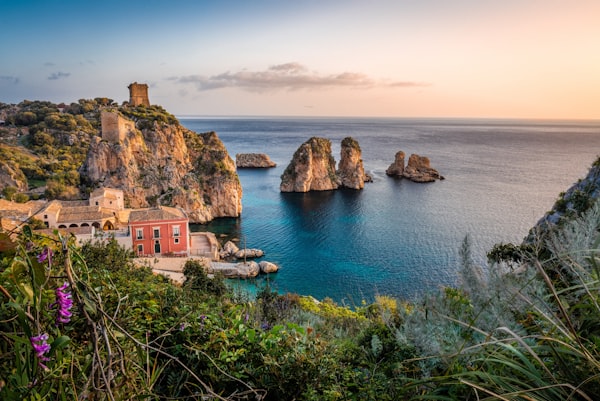
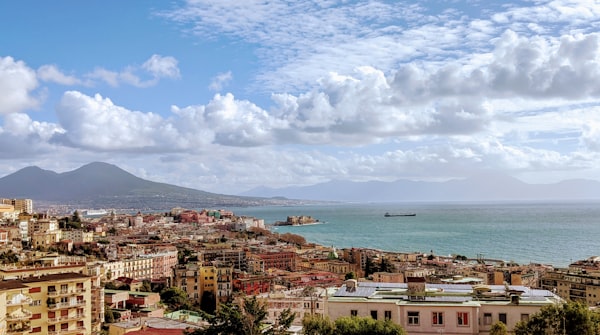
Malta is small enough to see fully in under a week and dense enough with history to fill a month, Neolithic temples that predate Stonehenge and the Pyramids, a capital city built by the Knights of St. John as a fortress against the Ottomans, and waters around Gozo and Comino clear enough to see the seabed from a boat deck.
Valletta, the Fortress Capital
Valletta, built by the Knights of St. John after surviving the Great Siege of 1565, is a UNESCO-listed Baroque city entirely enclosed by defensive walls, St. John's Co-Cathedral, unremarkable from outside, opens into one of the most ornately decorated interiors in Europe, including a Caravaggio painting in its oratory.
The Upper Barrakka Gardens give the best view over the Grand Harbour, timed to coincide with the daily noon gun-firing ceremony at the Saluting Battery below, a small, theatrical tradition that's been running in some form since British colonial rule.
Temples and the Islands
Ħaġar Qim and Mnajdra, megalithic temple complexes on Malta's southern coast, date back over 5,000 years, making them among the oldest freestanding stone structures on earth, older than Stonehenge or the Great Pyramid, and remarkably intact for their age.
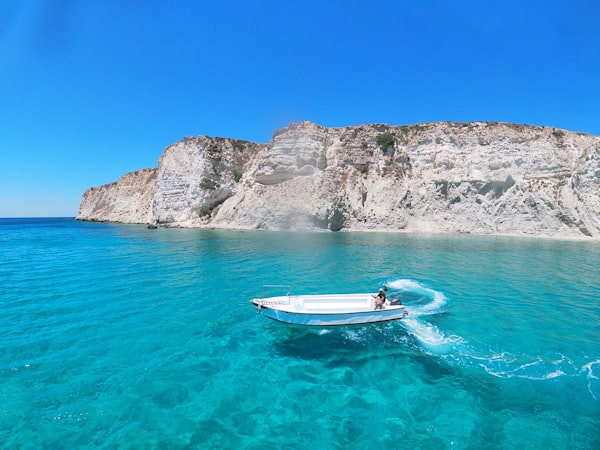
The Blue Lagoon on Comino, a small islet between Malta and Gozo, has water so clear and turquoise it looks artificially enhanced in photographs, go by the first morning boat to see it before the day-trip crowds arrive by early afternoon.
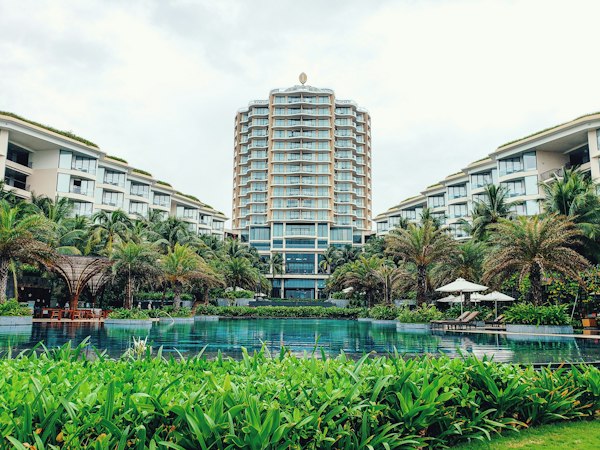
Recommended Stay · Malta · Mdina
The Xara Palace Relais & Châteaux
A 17th-century palace inside the walls of Mdina, Malta's ancient silent city, with a rooftop restaurant overlooking the island toward Valletta.