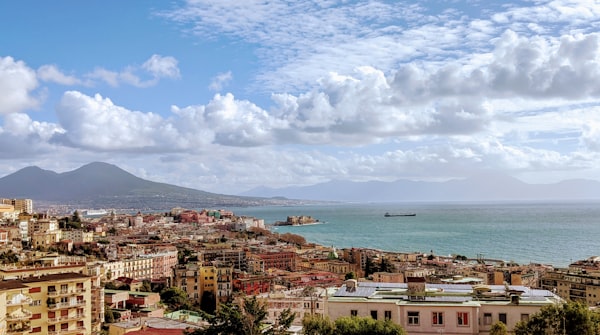
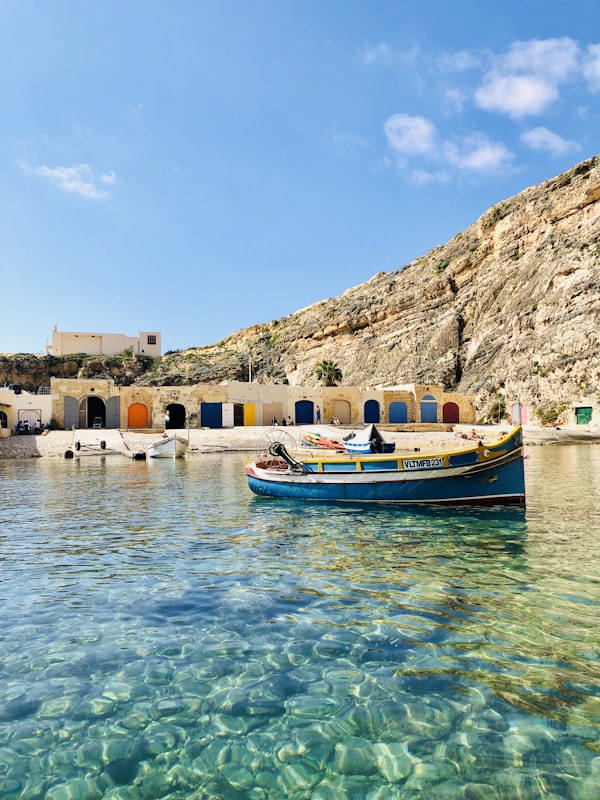
Sicily has been ruled by Greeks, Romans, Arabs, Normans, and Spanish, and the island wears all of it visibly, Greek temples more intact than most in Greece, Norman cathedrals with Arab-influenced mosaics, and a cuisine that blends North African and Italian influences in ways found nowhere else. Mount Etna, still actively erupting, looms over the eastern half of the island as a constant reminder of how the whole place was formed.
Ancient Sicily
The Valley of the Temples near Agrigento holds some of the best-preserved Greek temples anywhere, including the Temple of Concordia, more intact than most surviving structures in Greece itself, visit at sunset when the honey-coloured stone glows against the darkening sky.
Palermo's Cappella Palatina, inside the Norman Palace, combines Byzantine mosaics, Arab honeycomb ceilings, and Latin Christian architecture in a single small chapel, a physical summary of Sicily's layered history that took multiple civilisations working in sequence, not competition, to create.
Etna and the Southeast
Mount Etna, Europe's most active volcano, can be climbed partway by cable car and jeep to craters near the summit, with guides required for the final approach depending on current activity levels, check conditions before committing, as access changes with the volcano's mood.
Noto and the other Baroque towns of the southeast were rebuilt after a catastrophic 1693 earthquake in a unified, ornate style that's now UNESCO-listed, Noto's main street, lined with honey-coloured Baroque facades, is at its best in late afternoon light.
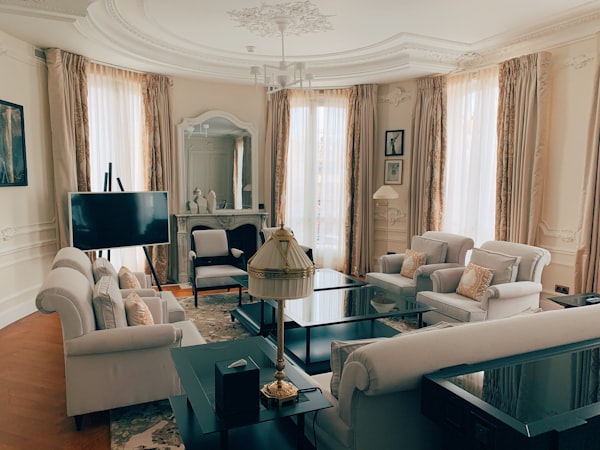
Recommended Stay · Sicily · Palermo
Villa Igiea
An Art Nouveau villa on Palermo's waterfront, once a private residence, with gardens overlooking the Bay of Palermo and Monte Pellegrino.