Hallstatt is a village of under a thousand people that has become one of the most photographed places in Europe, its pastel houses stacked against a mountainside above the Hallstättersee lake so consistently reproduced on social media that a Chinese theme park built a full-scale replica. The real village, and the salt mines that gave it 7,000 years of continuous history, are worth the trip despite the crowds.
The Village and Lake
The classic view (the church spire and lakeside houses reflected in the water) is best from the small platform on the northern lakeshore, reachable by a short walk or boat from the village centre. Arrive before 9am or after 5pm to have any hope of an uncrowded photo in peak season.
The village's Beinhaus (bone house) at the parish church holds hand-painted skulls dating back centuries, a practice adopted due to the tiny cemetery's limited space, bodies were exhumed after a set period and the skulls painted with the deceased's name and decorative motifs, a genuinely unusual and moving local tradition.
The Salt Mines
Hallstatt's salt mines are among the oldest in the world, worked continuously since the Bronze Age and giving the surrounding region (the Salzkammergut) its name. A funicular climbs from the village to the mine entrance, where tours include a slide down a wooden miners' chute used for centuries to move between levels.
The Skywalk viewing platform beside the mine entrance extends out over the valley for a view down onto the village and lake from several hundred metres up, vertiginous, and worth the funicular fare on its own even without doing the mine tour.
Recommended Stay · Hallstatt · Lakefront
Heritage Hotel Hallstatt
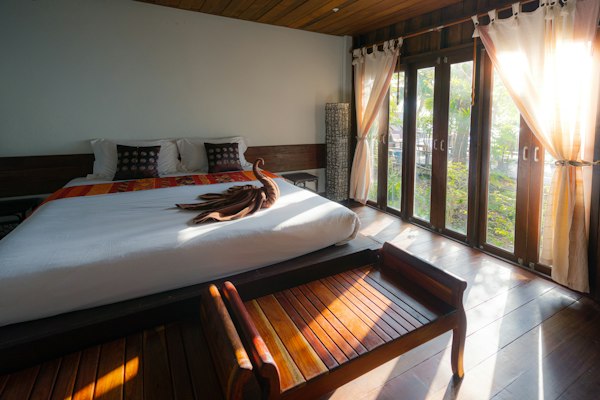
A lakefront guesthouse in a converted historic building, with a private terrace over the water and the classic village view a short walk away.