Zanzibar built its historic wealth on cloves, nutmeg, and cinnamon, and the spice trade's legacy is visible everywhere in Stone Town's mixed Arab, Persian, Indian, and African architecture, before the island's beaches, its own reason for a visit, take over the itinerary entirely.
Stone Town
Stone Town's maze of narrow streets is best explored on foot with a local guide who can point out the carved wooden doors (each pattern historically signalling the wealth and origin of the house's original owner) and the building that once housed Freddie Mercury's childhood home.
The old slave market, now a memorial site and Anglican cathedral, gives essential and sobering context to the island's history as a major hub of the East African slave trade, alongside its more commonly celebrated spice heritage.
Spice Farms and Beaches
A spice farm tour, widely available from Stone Town, walks through working plantations of clove, vanilla, cardamom, and cinnamon, genuinely educational, and usually ending with a small feast of tropical fruit.
The northern beaches around Nungwi and Kendwa have the calmest, most swimmable water, while the east coast (Paje, Jambiani) is better for kitesurfing but affected by more dramatic tides, check which suits your plans before booking.
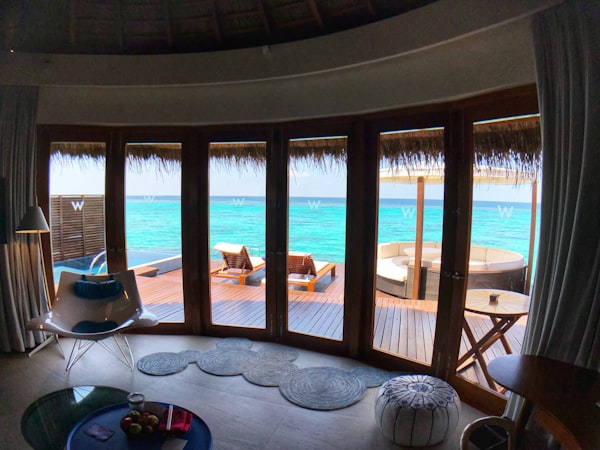
Recommended Stay · Zanzibar · Nungwi
Zanzi Resort
A beachfront resort on Zanzibar's calmer northern tip, with thatched bungalows steps from the sand and easy access to sunset dhow cruises along the coast.