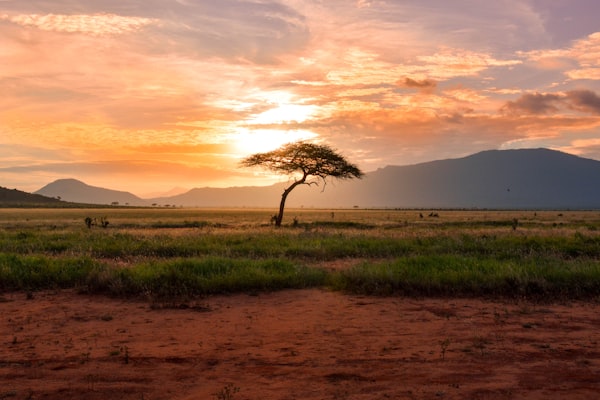
The Serengeti's name comes from the Maasai word for "endless plains," and the description is accurate, grasslands stretching to the horizon in every direction, host each year to the largest overland mammal migration on earth, over a million wildebeest and zebra moving in a roughly circular route in search of grazing.
Timing the Migration
The migration's location shifts through the year, river crossings (with the dramatic crocodile encounters) typically happen in the western and northern Serengeti between July and October, while calving season, with newborn wildebeest and correspondingly high predator activity, occurs in the southern plains around February and March.
Research where the herds are expected before booking a camp, the Serengeti is vast, and a lodge in the wrong location relative to the migration's current position can mean missing the main event entirely.
Beyond the Migration
The Serengeti has among the highest lion densities in Africa, plus reliable leopard and cheetah sightings, a good guide, tracking radio reports between vehicles, makes a significant difference to sighting quality over a self-driven visit.
A hot air balloon safari at dawn, drifting silently over the plains as the sun rises and animals below go about their morning, is expensive but among the most memorable ways to see the park's scale.
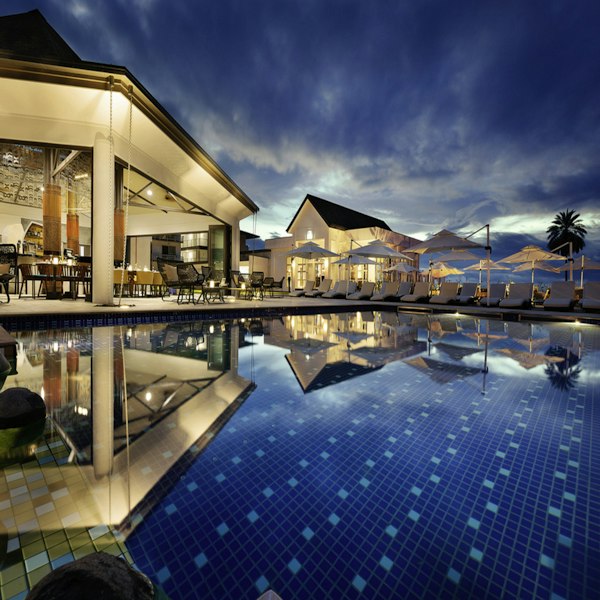
Recommended Stay · Serengeti · Northern Plains
Singita Sasakwa Lodge
An Edwardian-style manor house on a private hilltop concession within the greater Serengeti ecosystem, with unlimited access to game drives and its own airstrip for seamless arrival.