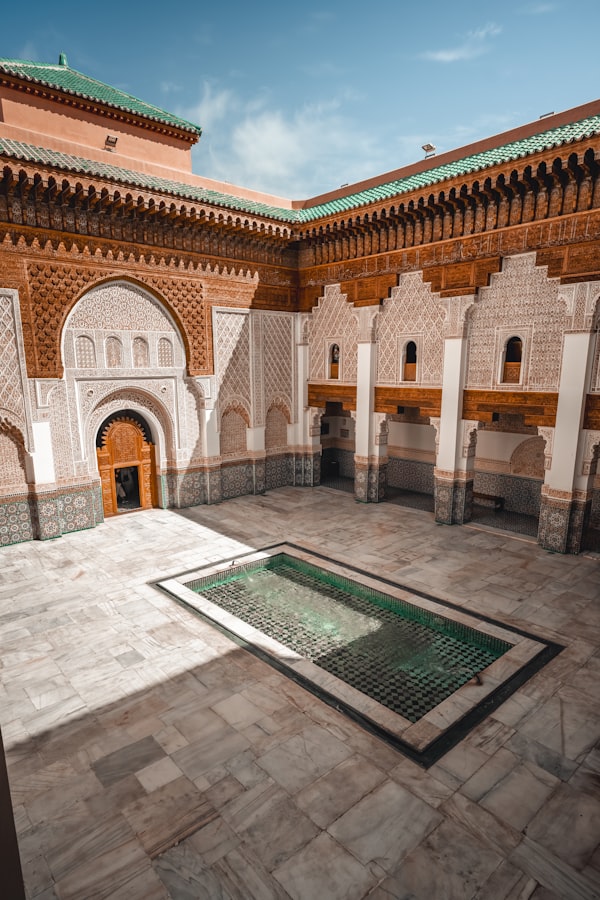
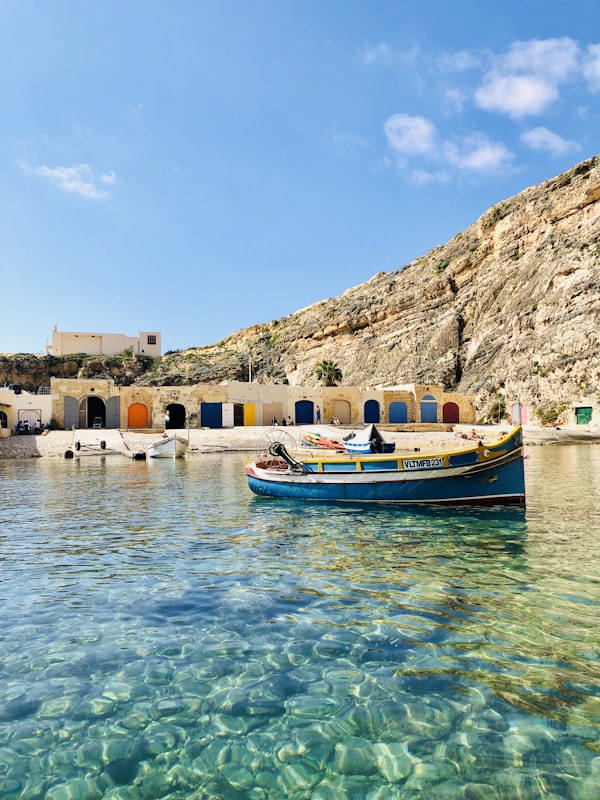
Tunis sits a short drive from the ruins of Carthage, once Rome's greatest rival and destroyed so thoroughly after the Punic Wars that the phrase 'Carthaginian peace' entered the language, the modern capital's own UNESCO-listed medina, a dense maze of souks and mosques largely unchanged since medieval times, tells a very different, more continuous story of North African urban life.
The Medina
Tunis medina's souks are organised by trade, much as they have been for centuries, the perfume souk, the gold souk, and the chechia (traditional felt hat) makers each occupy their own dedicated lanes, a layout that makes navigating with a specific purchase in mind considerably easier than it first appears.
The Zitouna Mosque, one of the oldest and most significant in North Africa, anchors the medina both physically and historically, non-Muslims can view the courtyard but not enter the prayer hall itself.
Carthage and Sidi Bou Said
The ruins of ancient Carthage, though heavily plundered over the centuries for building materials, still include Roman-era baths (the Antonine Baths, among the largest in the Roman world), a restored amphitheatre, and archaeological museums explaining both the Punic and Roman phases of the city's history.
Sidi Bou Said, a hilltop village of blue-and-white buildings overlooking the Gulf of Tunis, has drawn artists since the early 20th century, its cafes, particularly Café des Nattes with views over the water, make for an easy, relaxed afternoon after the intensity of the medina.
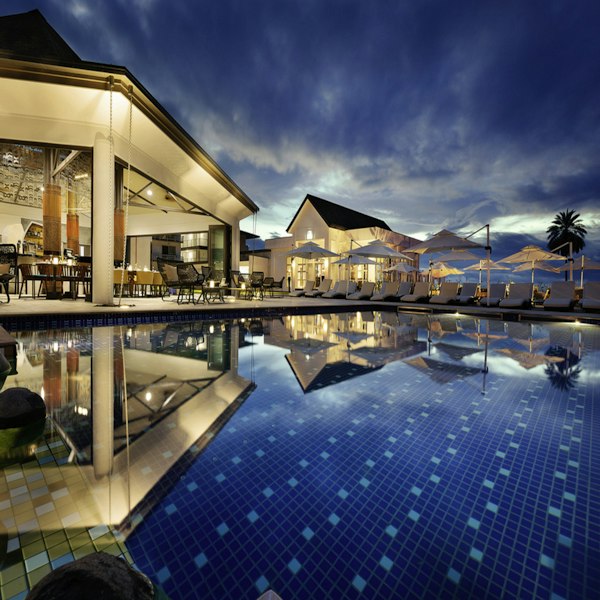
Recommended Stay · Tunis · Gammarth
The Residence Tunis
A Moorish-style beachfront resort north of the city, with extensive gardens, a golf course, and easy access to both Carthage and Sidi Bou Said.