Agra exists in most travellers' minds as a single building, and the Taj Mahal earns that singular focus, a white marble mausoleum built by Shah Jahan for his favourite wife, so perfectly proportioned that it remains, after nearly 400 years, one of the most photographed structures on earth. The rest of the city, including the Mughal-era Agra Fort, tends to get less attention than it deserves.
The Taj Mahal
Enter at sunrise, when the gates first open, the marble shifts through shades of pink, white, and gold as the sun rises, and the crowds are at their thinnest before the day-trip buses from Delhi arrive. The reflecting pool shot everyone photographs is directly ahead from the main gate.
The inlay work covering the marble (semi-precious stones set into floral patterns across the entire structure) rewards close inspection rather than only the wide establishing shot; bring or rent a guide who can point out details easy to miss from a distance.
Agra Fort and Beyond
Agra Fort, a red sandstone Mughal fortress that predates the Taj Mahal, offers views of the mausoleum across the Yamuna river from the very balcony where Shah Jahan was reportedly imprisoned by his own son in his final years, forced to gaze at his masterpiece from a distance.
Fatehpur Sikri, a deserted Mughal capital abandoned after only 15 years due to water shortages, is a day trip worth the effort, an entire red sandstone city, remarkably intact, that functioned briefly as the empire's seat of power before being left to the desert.
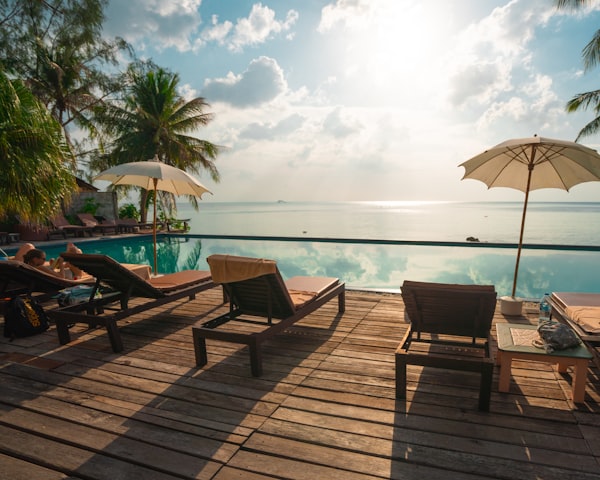
Recommended Stay · Agra · Taj Mahal East Gate
The Oberoi Amarvilas
A hotel within 600 metres of the Taj Mahal, with every room offering a direct view of the monument, and Mughal-inspired courtyards and reflecting pools throughout.