Bhutan is the only country to formally prioritise Gross National Happiness over Gross Domestic Product as a measure of national success, and its approach to tourism reflects the same philosophy, a daily sustainable development fee keeps visitor numbers deliberately limited, preserving both the environment and a culture that remains, remarkably, still shaped primarily by Buddhist tradition rather than mass tourism.
Tiger's Nest and Monasteries
Paro Taktsang, the Tiger's Nest monastery, clings to a sheer cliff face 900 metres above the Paro valley floor, reached by a three-to-four hour hike that's as much a pilgrimage as a trek, legend holds that Guru Rinpoche flew here on the back of a tigress to meditate in a cave that the monastery now encloses.
Punakha Dzong, considered Bhutan's most beautiful fortress-monastery, sits at the confluence of two rivers and served as the country's capital until the 1950s, visit in spring when the jacaranda trees around it are in bloom for the best photographs.
Gross National Happiness
Bhutan's tourism model requires most visitors to book through licensed operators and pay a daily sustainable development fee, which funds free healthcare and education domestically, a deliberate policy choice that keeps visitor numbers low and prevents the over-tourism seen elsewhere in the Himalayas.
The country remained fully closed to television and internet until 1999, and traditional dress (the gho for men, kira for women) is still mandatory in official settings and encouraged more broadly, a living culture rather than a preserved-for-tourists performance.
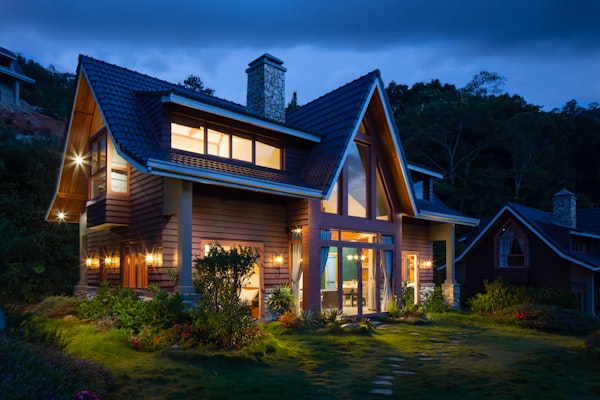
Recommended Stay · Bhutan · Paro Valley
Amankora Paro
A minimalist lodge built in the style of a traditional Bhutanese fortress, set among pine forest in the Paro valley, part of a small chain of lodges across the country.