Kathmandu's Durbar Square and surrounding temple complexes date back centuries, blending Hindu and Buddhist architecture into some of South Asia's most remarkable religious sites, many were badly damaged in the devastating 2015 earthquake and remain under restoration, a visible reminder of both the city's fragility and its resilience. For most visitors, it's also simply the starting point for treks into the Himalayas.
Temples and Squares
Kathmandu Durbar Square, a UNESCO World Heritage site of palaces and temples built by the Malla kings, suffered significant earthquake damage but restoration work continues steadily, the Kumari Ghar, home to Nepal's Living Goddess, a young girl selected through ancient ritual to serve as a living deity, remains intact and occasionally makes brief public appearances.
Swayambhunath, known as the Monkey Temple for its resident population of macaques, sits atop a hill overlooking the whole Kathmandu valley, its all-seeing Buddha eyes painted on the stupa are one of the most recognisable images of Nepal.
Gateway to the Himalayas
Most trekkers heading toward Everest Base Camp, Annapurna, or Langtang pass through Kathmandu to arrange permits, gear, and the onward flight or bus connection, Thamel, the backpacker district, is dense with trekking agencies, gear shops, and budget guesthouses catering to exactly this purpose.
Boudhanath Stupa, one of the largest Buddhist stupas in the world, sits within a neighbourhood that's become a centre for the Tibetan exile community, walk the kora (ritual circumambulation) alongside monks and pilgrims spinning prayer wheels around its base.
Recommended Stay · Kathmandu · Boudha
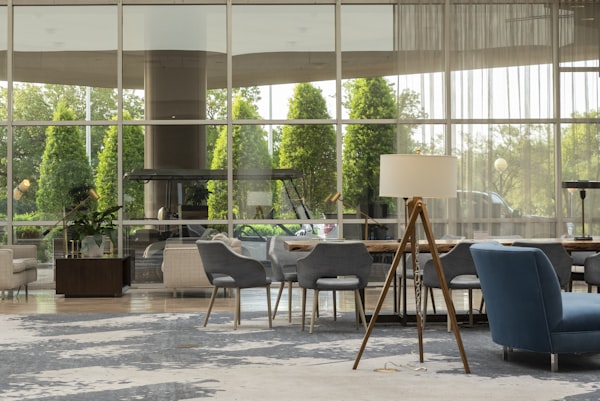
Dwarika's Hotel
A heritage hotel built using salvaged traditional Newari woodcarvings, functioning as a living museum of Kathmandu Valley craftsmanship as much as a place to stay.