Ladakh, a high-altitude desert region in the Indian Himalayas bordering Tibet, is often called Little Tibet for its shared Buddhist heritage, centuries-old monasteries perched on rocky outcrops, prayer flags snapping in thin mountain air, and a landscape so stark and lunar in places that NASA has used it to test Mars rover prototypes.
Monasteries and Leh
Thiksey Monastery, built in a stepped design resembling Lhasa's Potala Palace, holds a two-storey statue of the Maitreya Buddha and hosts a dawn prayer ceremony open to visitors, arrive early to witness the monks' chanting ritual before the day's tourist visits begin.
Leh, the region's main town, sits at over 3,500 metres and requires at least a day or two of acclimatisation before attempting higher-altitude excursions, the Leh Palace, a smaller cousin to Lhasa's Potala, overlooks the town and old bazaar.
Lakes and High Passes
Pangong Lake, stretching across the India-China border at over 4,300 metres, shifts through shades of blue and turquoise depending on the light and time of day, the journey there crosses Chang La, one of the world's highest motorable passes, and requires an inner-line permit for foreign visitors.
Nubra Valley, reached via Khardung La (long claimed, somewhat inaccurately, to be the world's highest motorable road), has sand dunes and double-humped Bactrian camels, remnants of the old Silk Road trade routes that once passed through this remote corner of the Himalayas.
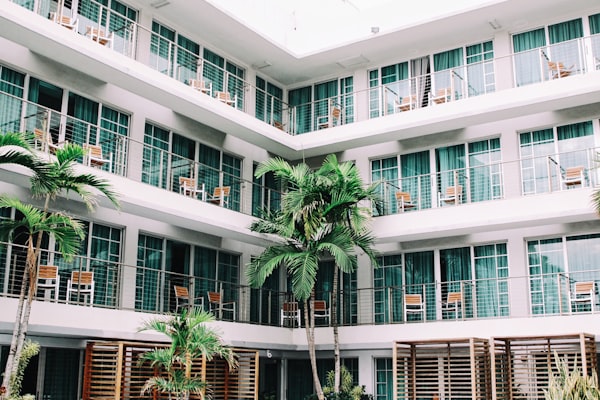
Recommended Stay · Ladakh · Leh
The Grand Dragon Ladakh
A well-appointed hotel in Leh with mountain views and an on-site doctor familiar with altitude acclimatisation, a practical base for exploring the wider region.