Okinawa was an independent kingdom (the Ryukyu Kingdom) until its annexation by Japan in the 19th century, and still retains a culture distinct from the mainland, visible in its cuisine, music, and the pastel-coloured Shuri Castle. It's also recognised as one of the world's five 'Blue Zones,' regions with exceptionally high concentrations of people living past 100.
Ryukyu Culture
Shuri Castle, the former royal palace of the Ryukyu Kingdom, was largely destroyed in the Battle of Okinawa during WWII, rebuilt, and then damaged again by a 2019 fire, reconstruction continues, and the surrounding grounds and gates remain open even as the main hall is rebuilt piece by piece.
Okinawan cuisine differs markedly from mainland Japanese food, incorporating pork, bitter melon (goya), and purple sweet potato in dishes rarely found elsewhere in the country, a reflection of both the region's tropical climate and its historic trade links with China and Southeast Asia.
Blue Zone Longevity
Researchers attribute Okinawa's longevity partly to diet (low-calorie, plant-heavy, and rich in fish) and partly to 'moai,' informal social support groups that provide lifelong community connection, a cultural practice increasingly cited internationally as a model for healthy ageing.
The Churaumi Aquarium, one of the largest in the world, and the surrounding coral reefs off Okinawa's outer islands offer some of the best diving and snorkelling in Japan, with visibility and marine biodiversity that rivals better-known tropical destinations.
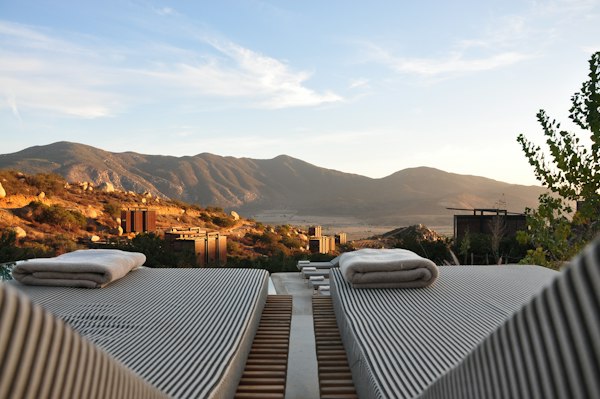
Recommended Stay · Okinawa · Nago
The Busena Terrace
A beachfront resort on a private peninsula with direct coral reef access, several pools, and glass-bottom boat tours over the surrounding marine life.