Corsica is often summarised as France's Mediterranean island, but that undersells it, the interior is genuinely mountainous, with peaks over 2,700 metres and a hiking network (the GR20) considered one of Europe's toughest, wrapped around a coastline of red granite cliffs, hidden coves, and the fortified port town where Napoleon Bonaparte was born.
Ajaccio and Napoleon
Ajaccio, Corsica's capital and Napoleon's birthplace, preserves the Bonaparte family home as a museum, along with a cathedral where he was baptised, the town takes an understandable pride in the connection, with statues and references throughout the old quarter.
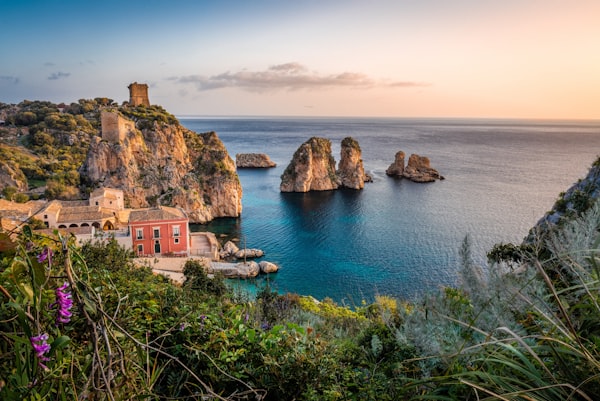
The Sanguinaires Islands, just offshore, are best seen by boat trip at sunset, when the red granite rocks that give them their name (meaning 'bloody') glow deep red in the fading light, one of the most photographed sunset spots on the island.
The Mountainous Interior
The GR20, running the length of the island through granite peaks and glacial lakes, is considered among the most physically demanding long-distance trails in Europe, a two-week commitment for the full route, though shorter sections near Corte, the old mountain capital, are accessible for day hikes.
The Calanques de Piana, a stretch of red granite cliffs and rock formations along the west coast road, rivals the more famous Calanques near Marseille, drive it in the late afternoon when the light turns the rock face a deep orange-red.
Recommended Stay · Corsica · Ajaccio
Casa Santini
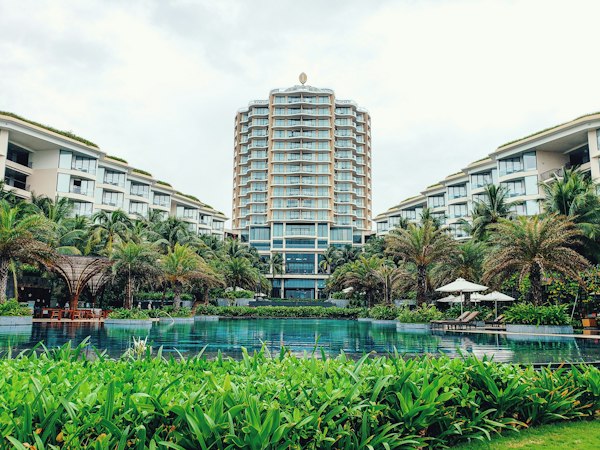
A boutique waterfront hotel in Ajaccio with views toward the Sanguinaires Islands, a short walk from the old town and Napoleon's birthplace.