The Galápagos Islands' wildlife evolved with essentially no natural land predators, which means marine iguanas, sea lions, and giant tortoises show little fear of humans, an experience unlike wildlife viewing almost anywhere else, where the animals often approach visitors rather than the reverse.
Cruise or Land-Based
A multi-day small-ship cruise is the traditional way to see the Galápagos, visiting multiple islands and their distinct endemic species (blue-footed boobies on one island, marine iguanas on another) that a single land base can't offer.
A land-based itinerary, staying on Santa Cruz or Isabela and taking day trips, is generally cheaper and gives more flexibility, though it covers fewer islands than a proper cruise, worth weighing against your budget and time available.
The Wildlife
Snorkelling here is exceptional, sea lions frequently swim directly up to snorkelers out of curiosity, and Galápagos penguins (the only penguin species found north of the equator) are occasionally spotted in the water as well.
The Charles Darwin Research Station on Santa Cruz breeds giant tortoises for release back into the wild, and provides useful context on the conservation challenges facing the islands' unique ecosystem.
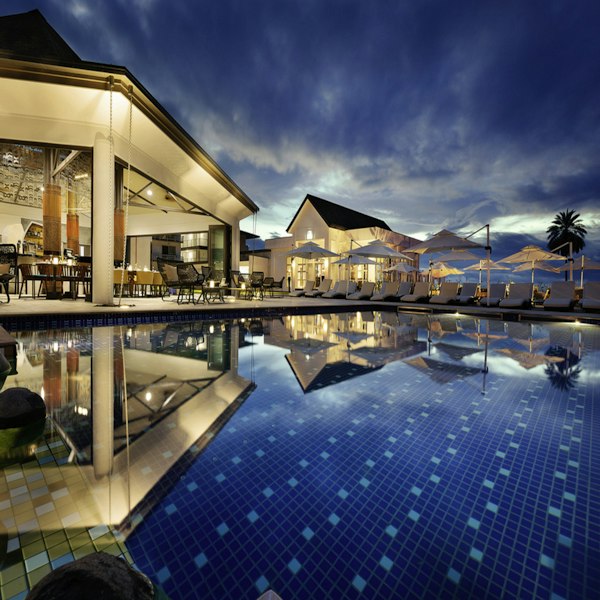
Recommended Stay · Galápagos · Santa Cruz Island
Pikaia Lodge
A hilltop lodge on Santa Cruz with its own private yacht for day excursions to surrounding islands, set within a working tortoise reserve on the property itself.