Goa carries 450 years of Portuguese colonial rule differently from the rest of India, whitewashed baroque churches, Catholic communities, and a laid-back beach culture that developed well before the rest of the country discovered backpacker tourism.
North Goa vs. South Goa
North Goa (Baga, Calangute, Anjuna) is louder, cheaper, and younger, beach shacks, flea markets, and a party scene that runs late, especially around the famous Anjuna trance parties of decades past, now more commercialized but still present.
South Goa (Palolem, Agonda) is quieter and more upscale, fewer crowds, calmer water, and a slower pace better suited to relaxing rather than partying. Choose based on which experience you're actually after rather than defaulting to whichever is more heavily marketed.
Old Goa's Churches
Old Goa, the former Portuguese colonial capital, holds the Basilica of Bom Jesus (housing the remains of St. Francis Xavier) and several other UNESCO-listed churches within walking distance of each other, a striking contrast to the beach towns most visitors associate with Goa.
Fontainhas, Panjim's Latin Quarter, has narrow lanes of colourful Portuguese-era houses that survive largely intact, worth an afternoon wander even if beaches are the main draw of your trip.
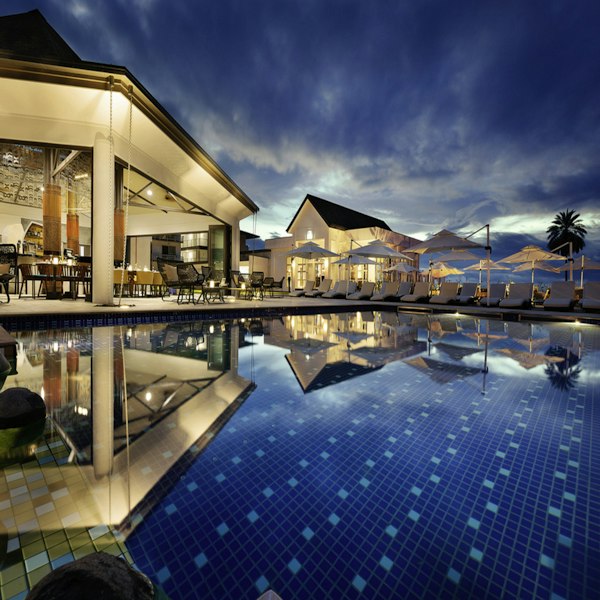
Recommended Stay · Goa · Benaulim Beach
Taj Exotica Resort & Spa Goa
A Moorish-inspired resort spread across landscaped gardens leading to a quiet stretch of southern beach, private villas, several pools, and a level of calm that matches South Goa's slower pace.