Phuket, Thailand's largest island, built its early wealth on tin mining and rubber, drawing Chinese and Portuguese merchants whose Sino-Portuguese shophouse architecture still lines Phuket Old Town, a quieter, more historic counterpoint to the beach resort development that has defined the island's coastline since the late 20th century.
Phuket Old Town
Phuket Old Town's Sino-Portuguese shophouses, painted in pastel colours and lined with colonnaded walkways, reflect the wealth of 19th and early 20th century tin-mining merchant families, many buildings now house cafes, boutique hotels, and small museums explaining the island's mining and immigration history.
The Sunday Walking Street market transforms the old town's main street into a dense strip of food stalls and crafts, a good introduction to the old town's architecture combined with some of the island's best street food.
Beaches and Island Trips
Patong remains Phuket's busiest and most developed beach, with nightlife to match, while Kata and Karon offer a calmer alternative within a short drive, the island's west coast beaches are generally calmer and better for swimming than the more exposed east side.
The Phi Phi Islands, reachable by speedboat in under two hours, include Maya Bay, made famous by the film 'The Beach', visitor numbers are now capped and timed to protect the reef, following a period of severe environmental damage from overtourism.
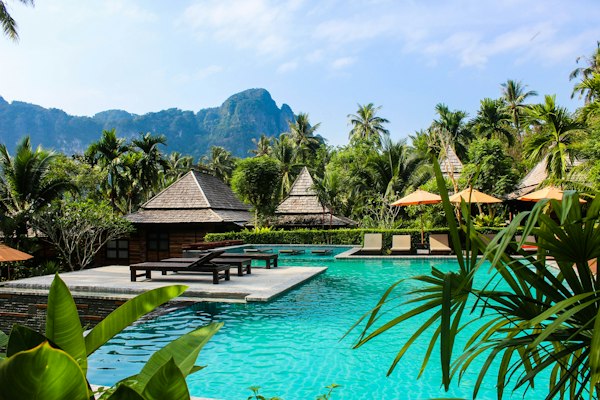
Recommended Stay · Phuket · Pansea Beach
Amanpuri
A hillside resort of Thai-style pavilions above a private beach, among the island's original luxury properties, with a spa and multiple restaurants set into a coconut grove.