Taipei holds the National Palace Museum's collection, spirited out of mainland China during the Chinese Civil War and considered by many scholars the finest assembly of Chinese imperial art anywhere, including in China itself, alongside a street food culture built around night markets that operate as the city's real social centres after dark.
Imperial Treasures and Modern Skyline
The National Palace Museum holds roughly 700,000 artefacts, of which only a fraction can be displayed at once, rotated on a schedule, the jadeite cabbage and meat-shaped stone are the most famous pieces, but the ceramics and calligraphy collections are, by most scholarly accounts, more historically significant.
Taipei 101, once the world's tallest building, includes a giant tuned-mass damper visible from an observation floor, designed to counteract typhoon winds and earthquakes, a rare instance of structural engineering being displayed as a tourist attraction in its own right.
Night Markets and Hot Springs
Shilin Night Market, the largest and most famous, is best navigated with an appetite and no particular plan, stinky tofu, oyster omelettes, and bubble tea (invented in Taiwan) are among the essential orders, best sampled in small portions across multiple stalls.
Beitou, a hot spring district within Taipei's metro system, has natural thermal springs fed by a nearby volcanic valley, public and private bathhouses range from historic Japanese-era buildings to modern spa resorts, all reachable in under 30 minutes from the city centre.
Recommended Stay · Taipei · Zhongzheng
Palais de Chine Hotel
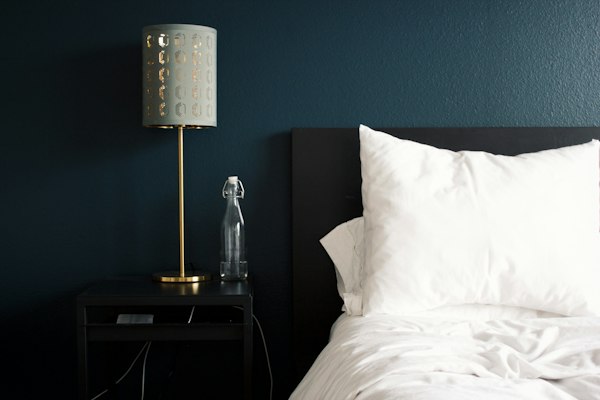
A design-forward hotel near Taipei Main Station, blending French-inspired decor with Taiwanese hospitality, a convenient base for both the old city and night market districts.