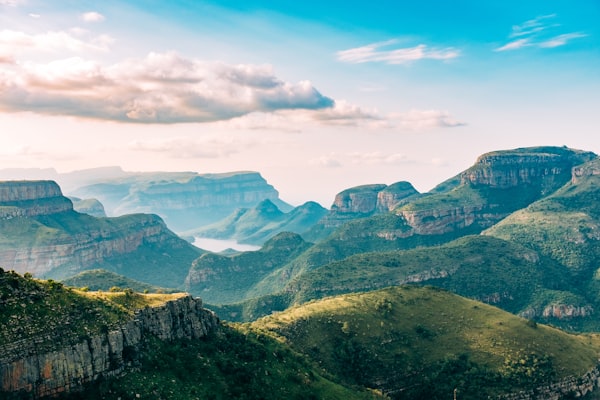
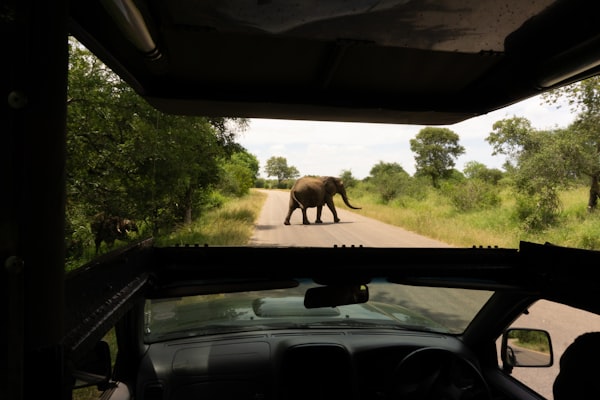
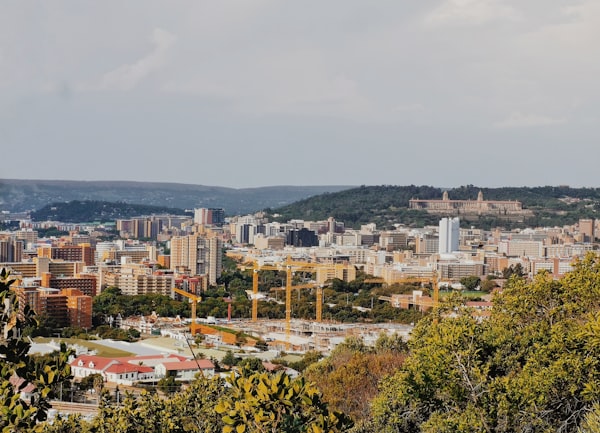
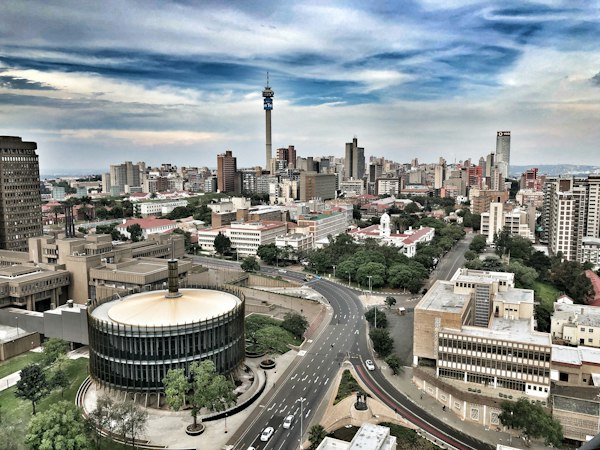
Polokwane is the capital of Limpopo and the last substantial city on the N1 before the Zimbabwe border, which makes it a crossroads more than a destination. Roads run east toward the Kruger's northern gates, west into the Waterberg, and north through the Soutpansberg to Musina and Beitbridge.
It sits at around 1,300 metres on the Pietersburg plateau, which keeps it noticeably cooler and drier than the Lowveld dropping away to the east. Most visitors are here for a night, either breaking the drive north or setting up for a reserve nearby.
Where to stay
The city centre and the Bendor and Fauna Park suburbs around it hold the conventional hotels and are convenient for the N1 and the airport. The better options are the bushveld lodges and game farms on the outskirts, particularly along the N1 south and the road toward Tzaneen, where you get space, quiet and often game on the property for less than an urban room would cost in a bigger city.
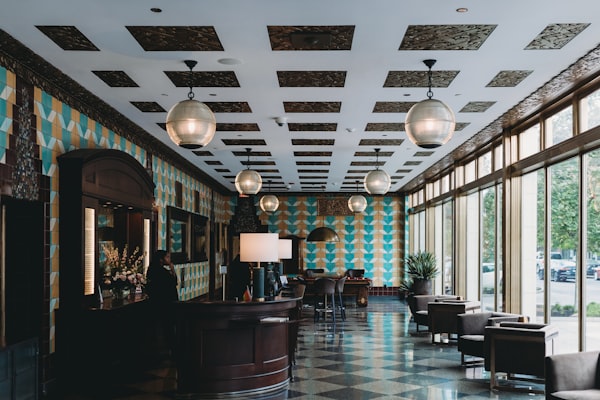
Recommended Stay · Polokwane · South Africa
The Ranch Resort
A long-established bushveld resort on its own game farm about twenty minutes south of the city on the N1, with gardens, pools and antelope on the property. The usual choice for anyone who would rather not sleep in the middle of town.
Game reserves nearby
The Polokwane Game Reserve is on the southern edge of the city and holds white rhino, sable and a good population of antelope inside a fenced 3,200 hectares, which makes it an easy first morning. Further out, the Waterberg biosphere to the west, around Vaalwater and Lephalale, is malaria-free Big Five country and one of the more underrated safari regions in the country. Eastward, the Letaba valley and Tzaneen sit below the escarpment in tea and citrus country.
Practicalities
Polokwane International Airport has daily flights from Johannesburg. The city is a major sports and events centre for the province, and the Peter Mokaba Stadium hosts fixtures that fill the local hotels, so check dates. Winter nights on the plateau are cold despite the daytime warmth, and the Lowveld malaria zone begins east of the city, not in it.
When to come
The dry season from May to September is best for game viewing and for comfortable driving. Summer is hot, often above 33 degrees, with heavy afternoon storms that can briefly flood low-water crossings on rural roads. Spring, in September and October, brings the bush back into leaf without the heat peak.