Gdańsk's colourful merchant-house old town, meticulously rebuilt after near-total wartime destruction, tells only part of the story, this is also the city where the Solidarity trade union movement began in 1980, a shipyard strike that eventually helped bring down communism across Eastern Europe. Long Baltic beaches extend along the coast in either direction from the city.
The Hanseatic Old Town
Ulica Długa (Long Street) and Długi Targ (Long Market), lined with ornately gabled merchant houses rebuilt after 90% of the historic centre was destroyed in 1945, form the ceremonial heart of the old town, the Neptune Fountain and Artus Court are the traditional starting points for exploring the surrounding lanes.
St. Mary's Church, one of the largest brick churches in the world, is worth climbing for the view over the old town's red rooftops toward the harbour and the Motława river.
Solidarity and the Coast
The European Solidarity Centre, built at the historic Gdańsk Shipyard where the movement began, is one of the most compelling modern history museums in Poland, interactive exhibits trace the strikes, negotiations, and eventual fall of communism with genuine dramatic weight, ending at the actual gate where Lech Wałęsa addressed striking workers.
Sopot, a short train ride along the coast, has one of the longest wooden piers in Europe and a long sandy beach that fills with locals in summer, a good pairing with a Gdańsk city visit for anyone wanting a beach day.
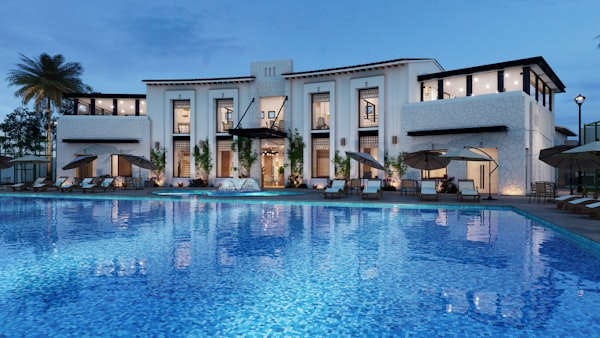
Recommended Stay · Gdańsk · Old Town
Hotel Gdańsk
A riverside hotel built into a former granary, with views across the Motława river to the old town's crane and merchant houses.