Warsaw was flattened by German forces after the 1944 uprising, and the old town visitors walk through today is a near-exact postwar reconstruction, built from Canaletto paintings and prewar photographs. That history (of destruction and deliberate, painstaking rebuilding) sits under everything in the city, alongside a modern skyline that has grown fast in the decades since.
The Reconstructed Old Town
Warsaw's Old Town Market Place, rebuilt to its 17th and 18th century appearance, is now a UNESCO World Heritage site specifically because of the reconstruction effort, not despite it, a rare recognition of restoration as heritage in its own right. The Royal Castle at its edge houses reconstructed state rooms and a genuinely excellent collection of Polish art.
The Warsaw Uprising Museum, in a former tram power station, is essential and difficult viewing, an unflinching account of the 63-day uprising and the catastrophic German response that followed, told through personal accounts, artefacts, and a reconstructed sewer tunnel used by resistance fighters.
The Modern City
The Palace of Culture and Science, a Stalin-era gift from the Soviet Union, still dominates the skyline despite decades of ambivalence from Warsaw residents about keeping it, the observation deck near its top gives a view over both the old town and the glass towers that have grown up around its base since 2000.
Praga, across the river, escaped much of the wartime destruction and retains prewar tenement buildings now filled with galleries, breweries, and studios, a grittier, more atmospheric contrast to the reconstructed centre.
Recommended Stay · Warsaw · Old Town
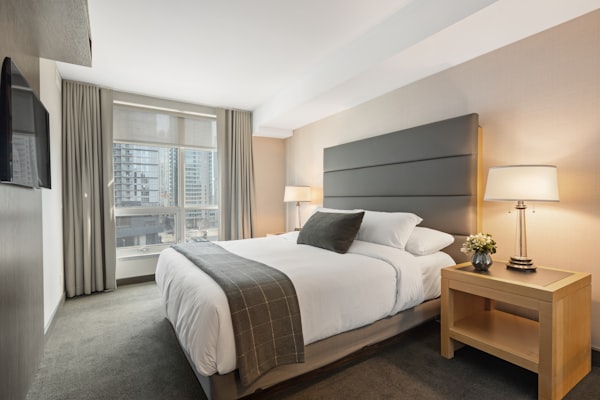
Raffles Europejski Warsaw
A 19th-century hotel rebuilt after wartime destruction and reopened as a modern luxury property, steps from the Royal Castle and the reconstructed old town.